Working with a female interior designer brings measurable advantages in communication, functional planning, budget control and finish quality. This article outlines the benefits Pakistani homeowners report most often. It also explains how our design team delivers each of them on real projects.
When homeowners in Pakistan begin an interior project, the first decision is usually the most important one. Choosing the right designer determines whether the process feels organised or chaotic, and whether the finished space works for the family or simply looks impressive in photographs. Over the past decade a distinct pattern has appeared in Islamabad, Lahore and Karachi. A growing number of clients actively seek a female interior designer in Islamabad and across the country, and they describe the experience as noticeably smoother. The benefits behind that preference are specific and worth understanding before you commit to any professional.
This article sets out the advantages that Pakistani homeowners report most frequently, from easier communication inside the home to sharper functional planning and stronger cost control. None of these benefits are automatic. They come from training, experience and a way of working that puts the client's daily routine at the centre of every decision.
Our Interior Design and Fit Out division at Living Solutions Global was created to give Pakistani homeowners a single accountable partner for the entire journey. We are based in Islamabad and serve clients throughout Pakistan, including overseas Pakistanis who need someone reliable managing a property while they are abroad. Our team includes senior female interior designers who lead projects end to end, covering measured surveys, space planning, three dimensional visualisation, material and finish selection, lighting design, custom joinery, procurement, execution and final styling. When you engage us for residential interior design, you receive a documented scope, a transparent cost breakdown and one point of contact who is responsible for quality on site. We apply the same standards to our broader interior design in Pakistan practice, whether the project is a single bedroom refresh or a complete home delivered turnkey.
Interior design requires a designer to enter private areas of a home repeatedly. Bedrooms are measured, wardrobes are opened, kitchen habits are discussed and family routines are examined in detail. In Pakistani households many families feel more comfortable when a woman leads these conversations, particularly when the women of the house are the primary decision makers on layout and storage.
Comfort produces better information. A client who feels at ease will say that the current dining table is too large, that the guest bathroom embarrasses her, or that she never uses the formal lounge. Those admissions shape the brief far more usefully than a polite conversation ever could. Better briefs lead to designs that fit real life instead of an idealised version of it.
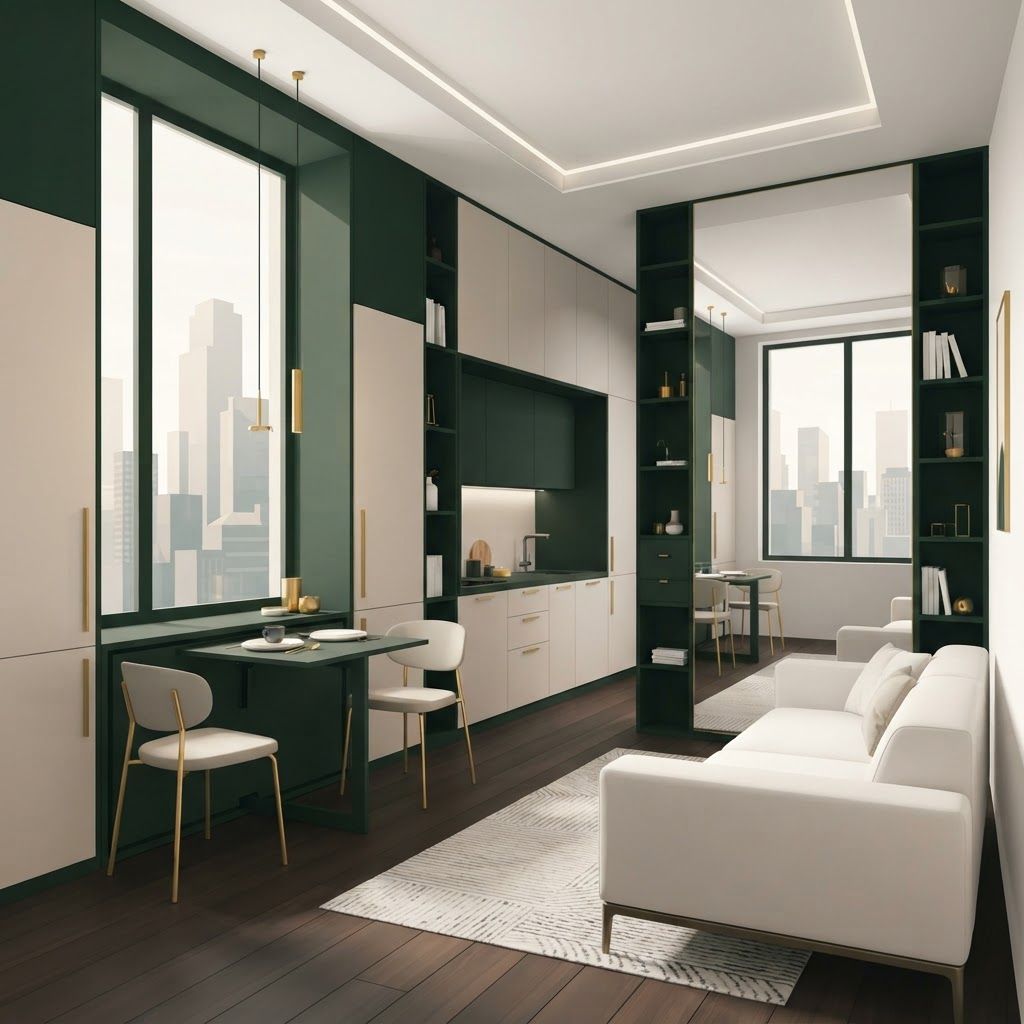
The strongest praise our clients give is that the finished home is easy to run. That outcome comes from planning decisions that are invisible in a photograph. Counter heights suited to the person who actually cooks. A laundry route that does not cross the guest area. A pantry that holds a month of groceries. A place for the vacuum cleaner, the iron and the prayer mats. A shoe cabinet at the entrance so the hallway stays clear.
Female designers often carry direct experience of these routines and therefore ask sharper questions. How many people cook at the same time? Where do the children do homework? Who receives deliveries? Does household help need a separate work zone? Each answer changes the plan in a small way, and together those changes make the difference between a house that fights you and a home that supports you.
Pakistani homes store a great deal. Winter quilts, formal dinner sets, suitcases, seasonal clothing, children's toys and household spares all compete for space. When storage is under planned, the interior becomes cluttered within months and no amount of styling can rescue it.
Our design leads calculate storage by volume rather than by appearance. Wardrobes are planned with hanging, folding and long garment zones. Beds are specified with hydraulic lift storage where it makes sense. Corridors gain shallow concealed cupboards. Loft space above wardrobes is used for seasonal items. The visible result is a calm, uncluttered home, and the hidden result is that everything has a proper place.
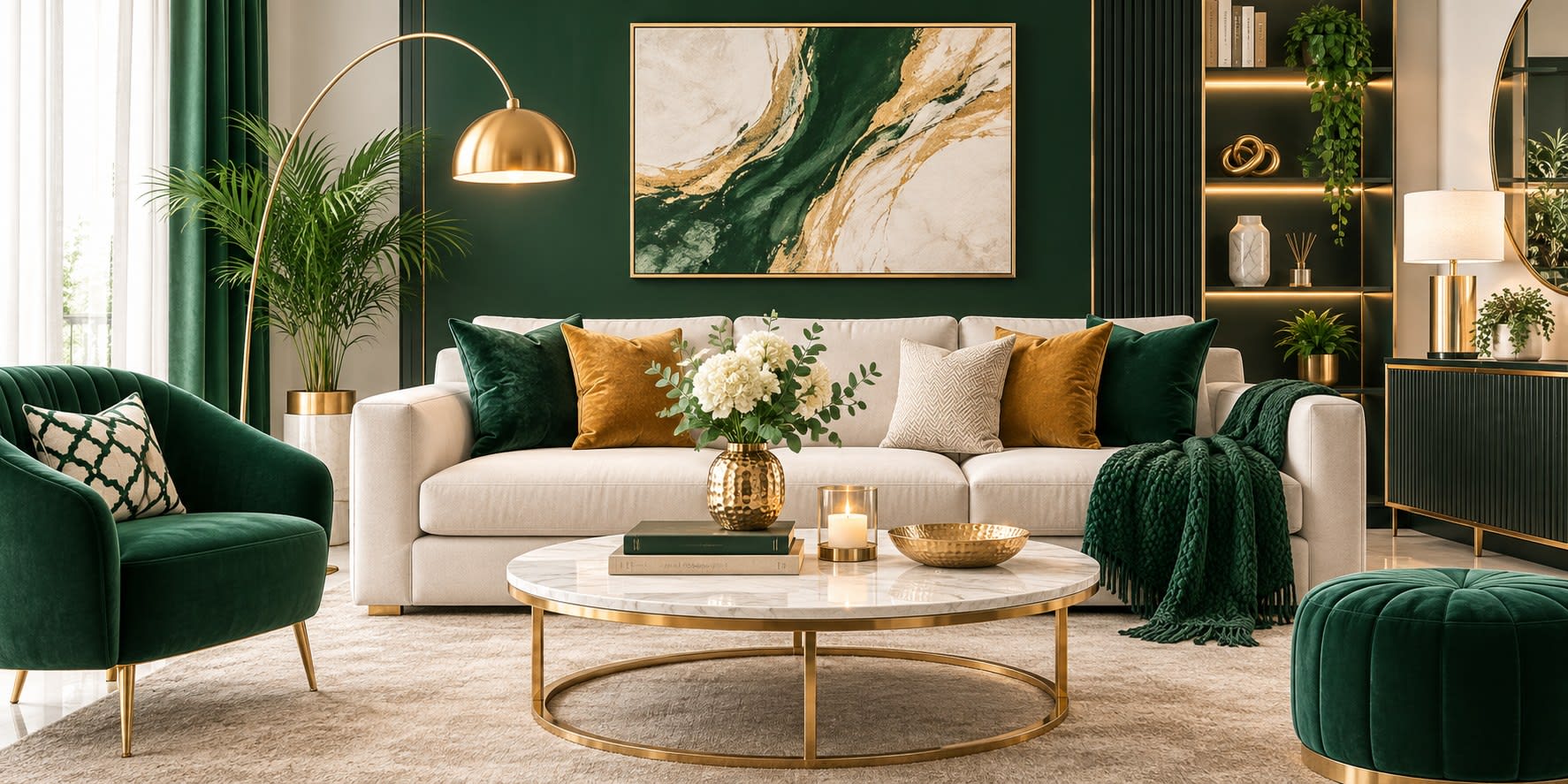
Trends in Pakistan have moved decisively away from heavy gloss and hard contrast towards layered warmth. Textured plaster, fluted timber, natural stone with soft veining, linen and cotton upholstery, rattan detailing and brushed brass accents create interiors that feel refined without shouting. Female designers in Pakistan have led much of this shift and are frequently commended for palettes that age gracefully.
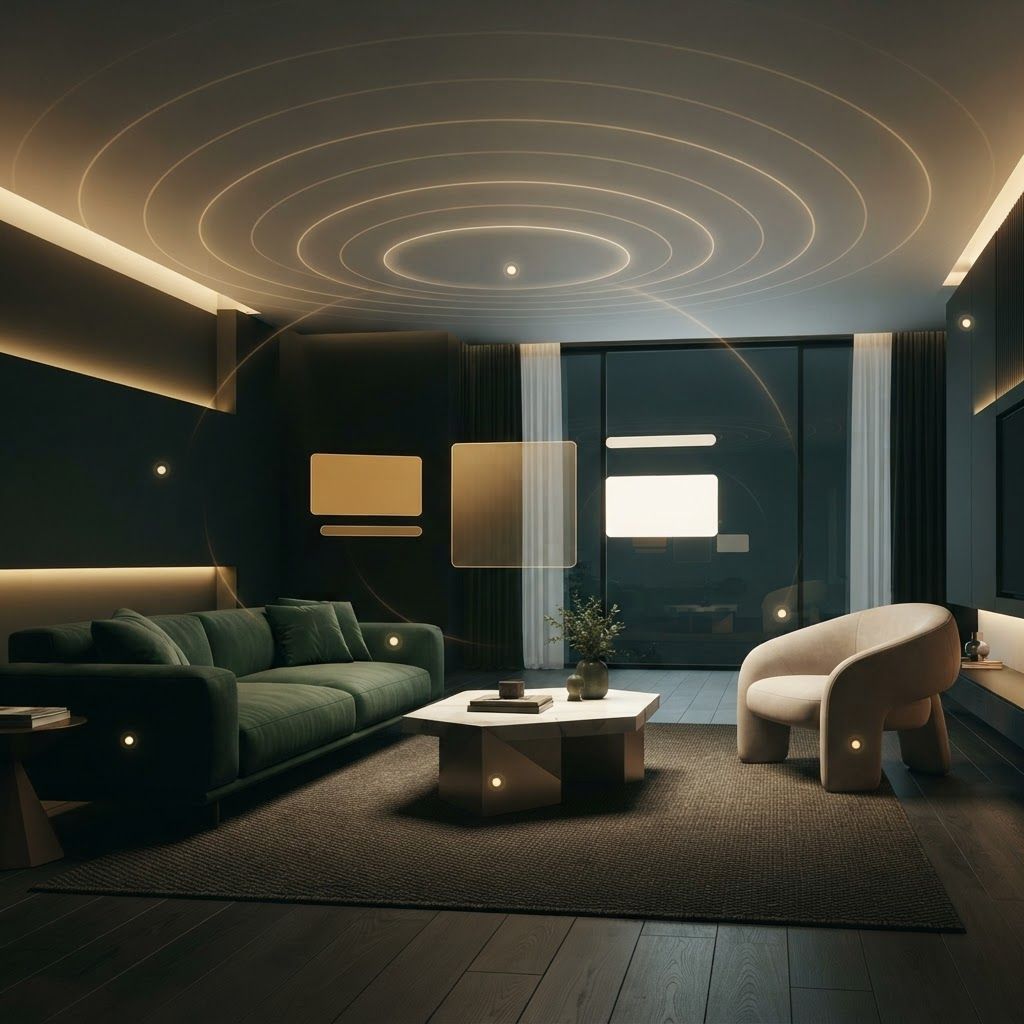
Lighting is treated with the same discipline. A single ceiling fixture flattens a room and makes even expensive finishes look ordinary. We layer ambient, task and accent lighting on separate circuits with warm colour temperatures and dimming, so one room can feel bright and practical during the day and soft and intimate in the evening.
Cost control is a design skill, not an accounting exercise. Projects overrun when small upgrades are approved one at a time without anyone tracking the cumulative effect. A disciplined designer ranks priorities at the start, protects the items that define the character of the home, and finds intelligent alternatives everywhere else.
We issue a line by line breakdown covering civil work, electrical, joinery, finishes, lighting, furniture and soft furnishing. Before any decision is made, you see what it costs and what it replaces. Clients consistently tell us this transparency is the single reason the process felt calm rather than stressful.
Many Pakistani households include three generations, and a design that ignores this creates daily difficulty. Practical provisions such as a ground floor bedroom for a grandparent, a bathroom with a seated shower zone and grab support, non slip flooring in wet areas, generous stair lighting and a play area within sight of the kitchen cost very little at planning stage and are extremely expensive to retrofit.
Thinking about the household you will have in ten years, not only the one you have today, is one of the most valuable contributions a designer can make.
Design quality is decided during execution. Our designers attend site regularly to verify levels, inspect joinery before installation, approve stone slabs, confirm socket and switch positions and reject any substituted material. Detailed drawings are issued to the carpenter, tiler, electrician and painter so that every trade works from the same information.
This coordination reduces rework, protects the budget and keeps the programme on track. Homeowners who have previously managed a renovation themselves notice the difference immediately.
A good interior evolves. Families grow, requirements change and rooms are repurposed. Because our designers document every detail, returning later to add a study, convert a bedroom or extend joinery is straightforward. Clients who worked with us on one room frequently come back for the rest of the house, which is the clearest possible evidence that the process was worth it.
The benefits of working with a female interior designer in Pakistan come down to one theme. The design is built around how you actually live, and it is delivered with care from the first drawing to the final cushion. If you would like that experience for your own home, contact Living Solutions Global for a consultation and let us prepare a plan tailored to your family, your property and your budget.

Written by the Living Solutions team
Strategy, design, and trade expertise, all under one roof.
Let's discuss how we can turn your vision into sustainable growth and measurable success.