Explore how urban development is reshaping Pakistan through planned cities, mixed use districts, and modern public spaces. Discover the opportunities this transformation creates and how we help investors and developers succeed.
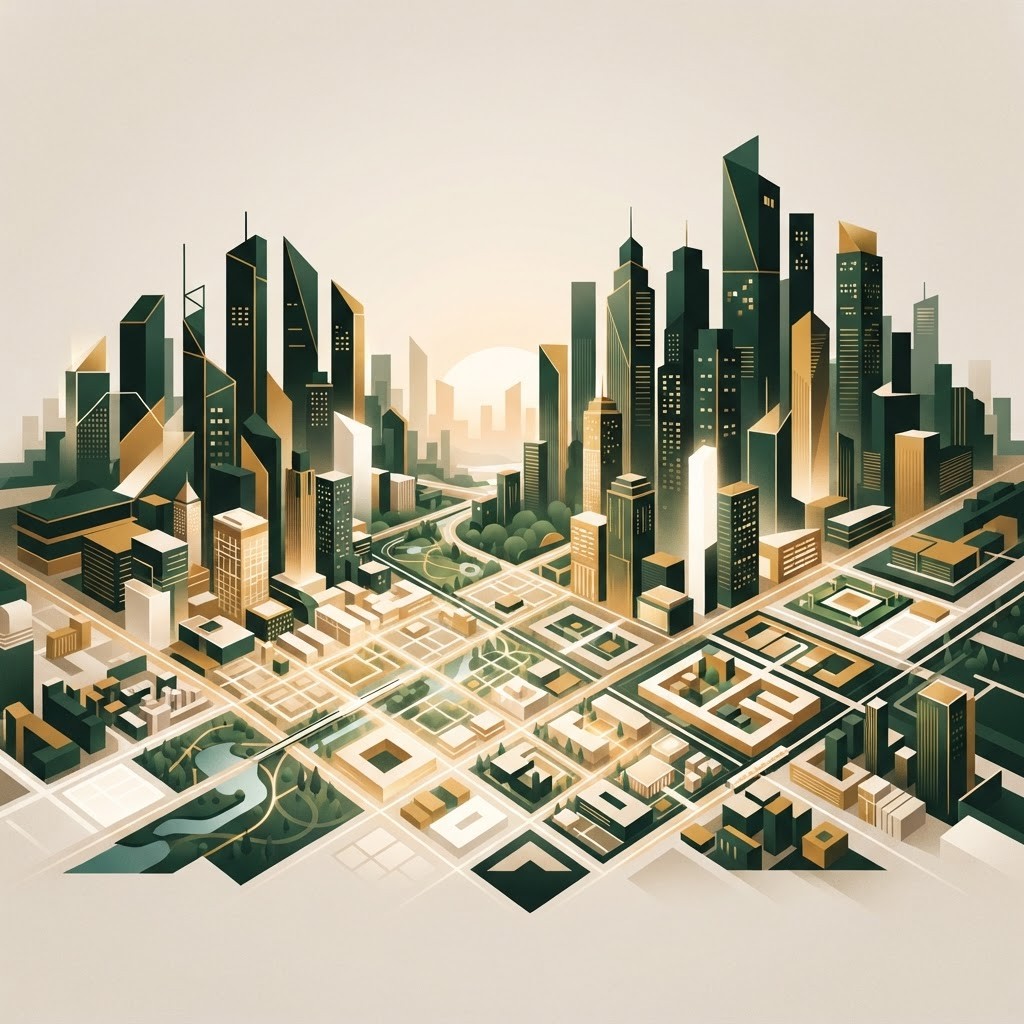
Urban development in Pakistan is entering a defining era. With one of the fastest urbanizing populations in the region, cities such as Islamabad, Lahore, and Karachi are expanding outward and upward at remarkable speed. This growth brings both opportunity and pressure. Planned urban development offers the chance to build efficient, livable, and economically vibrant cities, while unmanaged sprawl risks congestion, strained services, and rising inequality. The choices made today will shape the country for generations, which is why thoughtful planning and sound investment matter more than ever.
Modern urban development is about far more than constructing buildings. It weaves together housing, transport, utilities, green space, commercial zones, and community facilities into a coherent whole. When these elements are integrated, cities become engines of productivity and wellbeing. When they are not, residents pay the price in lost time, higher costs, and reduced quality of life.
At Living Solutions Global (livingsolutionsglobal.com) we help developers, landowners, and investors navigate the complexities of urban projects in Pakistan and Islamabad. As a locally rooted consultancy, we understand the regulatory landscape, market dynamics, and financing structures that determine whether a project thrives. Our business consultancy in Pakistan guides clients from concept through delivery, aligning ambitions with realistic strategy. For those weighing options across the capital, our insight into Pakistan investment opportunities helps identify the districts and asset classes with the strongest long term potential.
Several forces are fueling Pakistan urban expansion. A young and growing population is migrating toward cities in search of jobs and education. Rising incomes are increasing demand for quality housing and modern retail. Infrastructure investment in roads, transit, and utilities is opening new corridors for development. Together these drivers create sustained demand for well located, well designed urban projects.
The capital region is a clear example. Islamabad continues to attract families, businesses, and institutions drawn by its planned layout, green character, and administrative importance. Investors looking to invest in Islamabad find a market underpinned by stable demand and a reputation for orderly growth, making it a favored destination for both residential and commercial ventures.
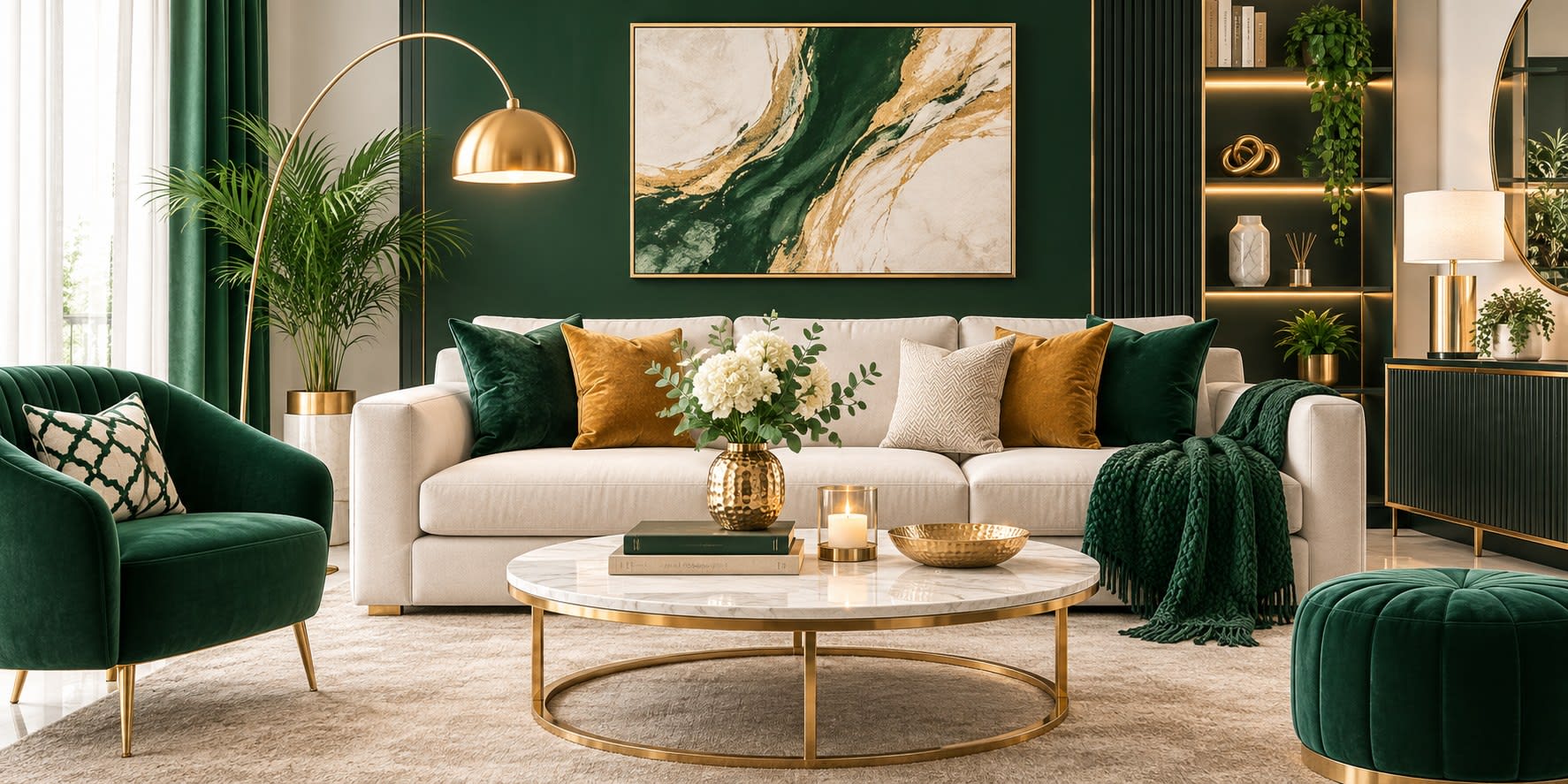
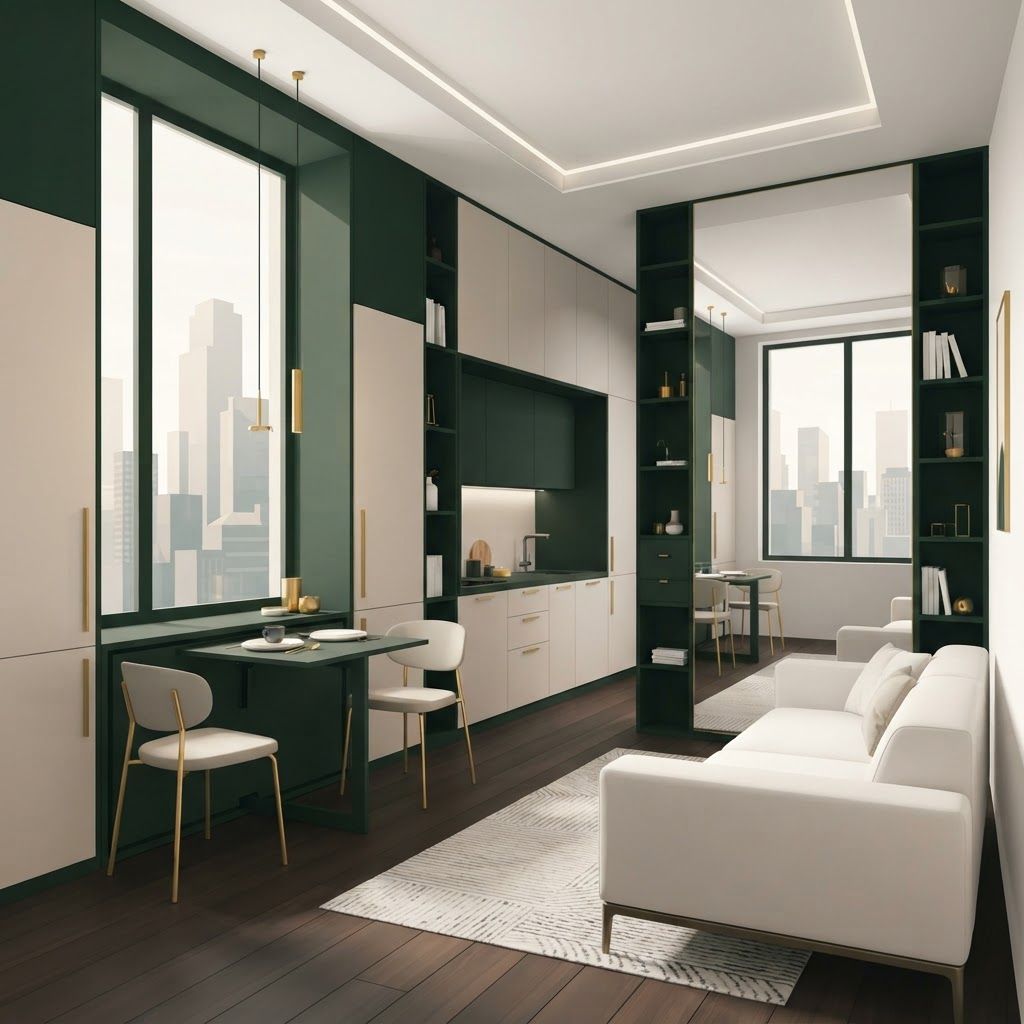
One of the strongest trends in contemporary urban development is the shift toward mixed use districts. Rather than separating homes, offices, and shops into isolated zones, mixed use design places them close together so residents can live, work, and shop within walking distance. This approach reduces car dependence, energizes street life, and supports local businesses. It also makes more efficient use of expensive urban land.
Community focused design goes further by prioritizing parks, plazas, walkways, and gathering spaces. These amenities lift property values and foster a sense of belonging. Developers who invest in shared spaces often find their projects command premium demand, because buyers and tenants increasingly seek lifestyle and convenience, not just square footage.
Urban development and real estate are deeply linked. As cities grow, land and property become powerful vehicles for wealth creation. Residential apartments, commercial towers, retail centers, and mixed use complexes all benefit from the rising demand that urbanization brings. For investors, the key is choosing the right location, asset type, and timing. Sound real estate investment requires careful analysis of demographics, infrastructure plans, supply pipelines, and pricing trends. With the right guidance, urban property can deliver both steady income and long term capital growth.
No city can grow well without robust infrastructure. Reliable water supply, sewerage, electricity, telecommunications, and transport form the backbone on which all development depends. When infrastructure lags behind construction, neighborhoods suffer from shortages and congestion that erode their value. Forward looking development coordinates closely with infrastructure planning, ensuring that services are ready as populations arrive. This coordination protects investments and creates neighborhoods that function smoothly from the start.
Climate pressures are making sustainability a core concern in urban development. Cities in Pakistan face heat waves, water stress, and flooding, all of which demand resilient design. Green building practices, efficient drainage, tree planting, and energy conscious construction reduce environmental impact while lowering long term costs for residents. Developments that embrace these principles are better positioned to retain value as regulations tighten and buyers grow more discerning.
Urban development in Pakistan is not without hurdles. Land acquisition can be complex, approvals can be slow, and financing can be difficult to structure. Informal settlements and fragmented ownership add further complications. Success requires patience, local knowledge, and strong partnerships. Projects that engage stakeholders early, respect regulations, and plan for the long term consistently outperform those that cut corners.
Pakistan urban future will be defined by the quality of the development choices made now. Planned, sustainable, and community focused projects can transform cities into places of opportunity and pride. For developers and investors, this moment offers a rare combination of strong demand and meaningful impact. With careful planning, disciplined execution, and trusted local guidance, urban development can create lasting value for investors and residents alike. We are here to help you seize that opportunity and build projects that stand the test of time.
Written by the Living Solutions team
Strategy, design, and trade expertise, all under one roof.
Let's discuss how we can turn your vision into sustainable growth and measurable success.