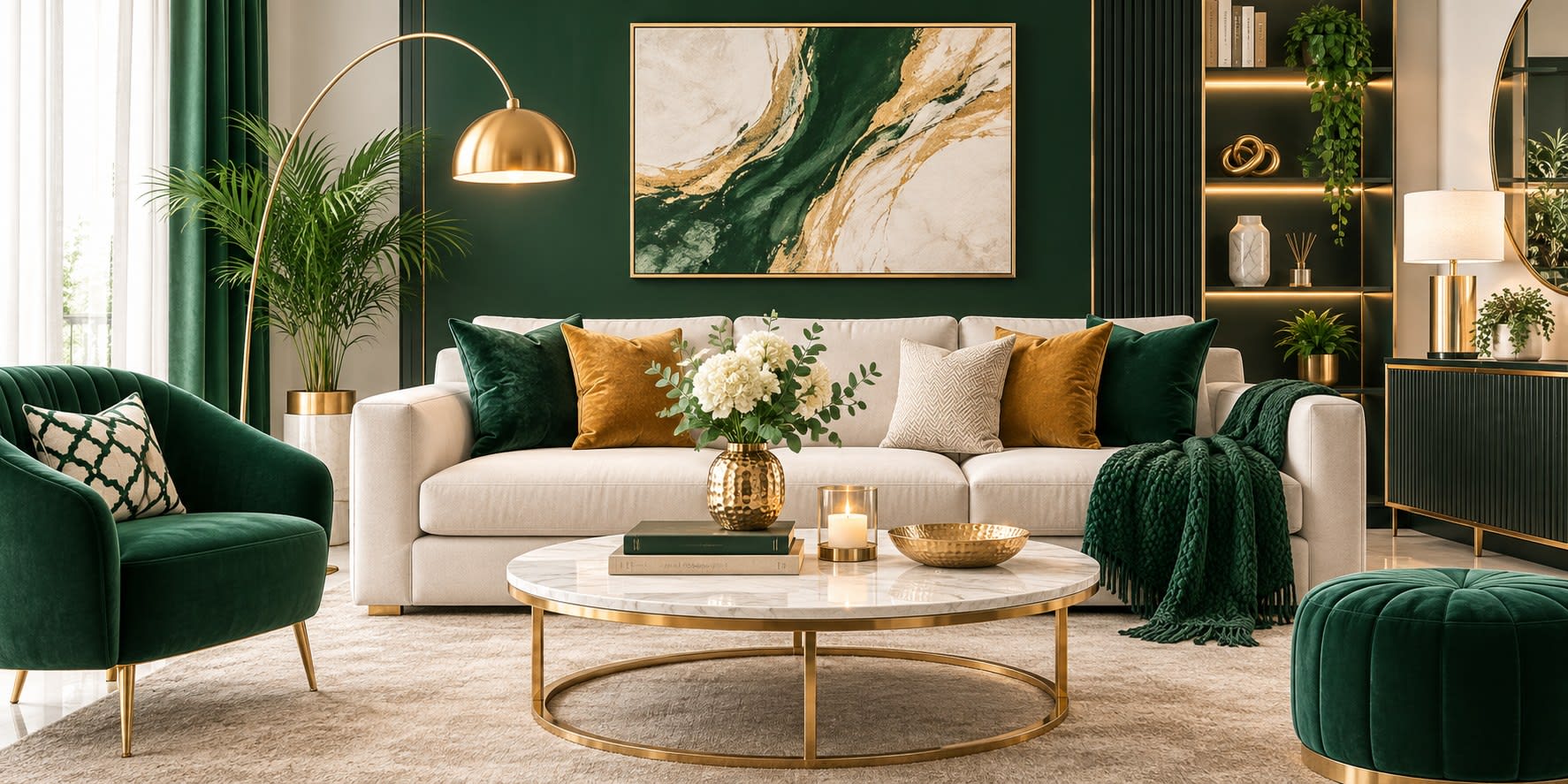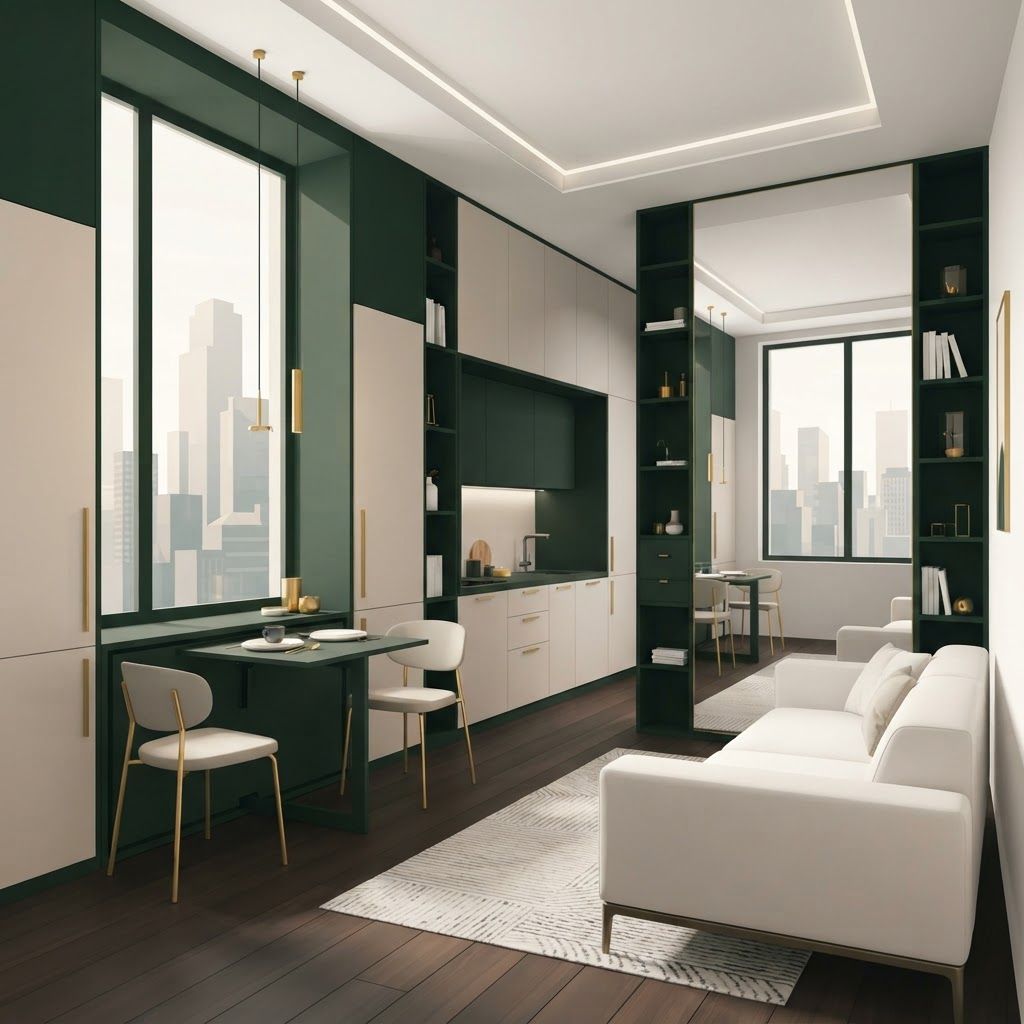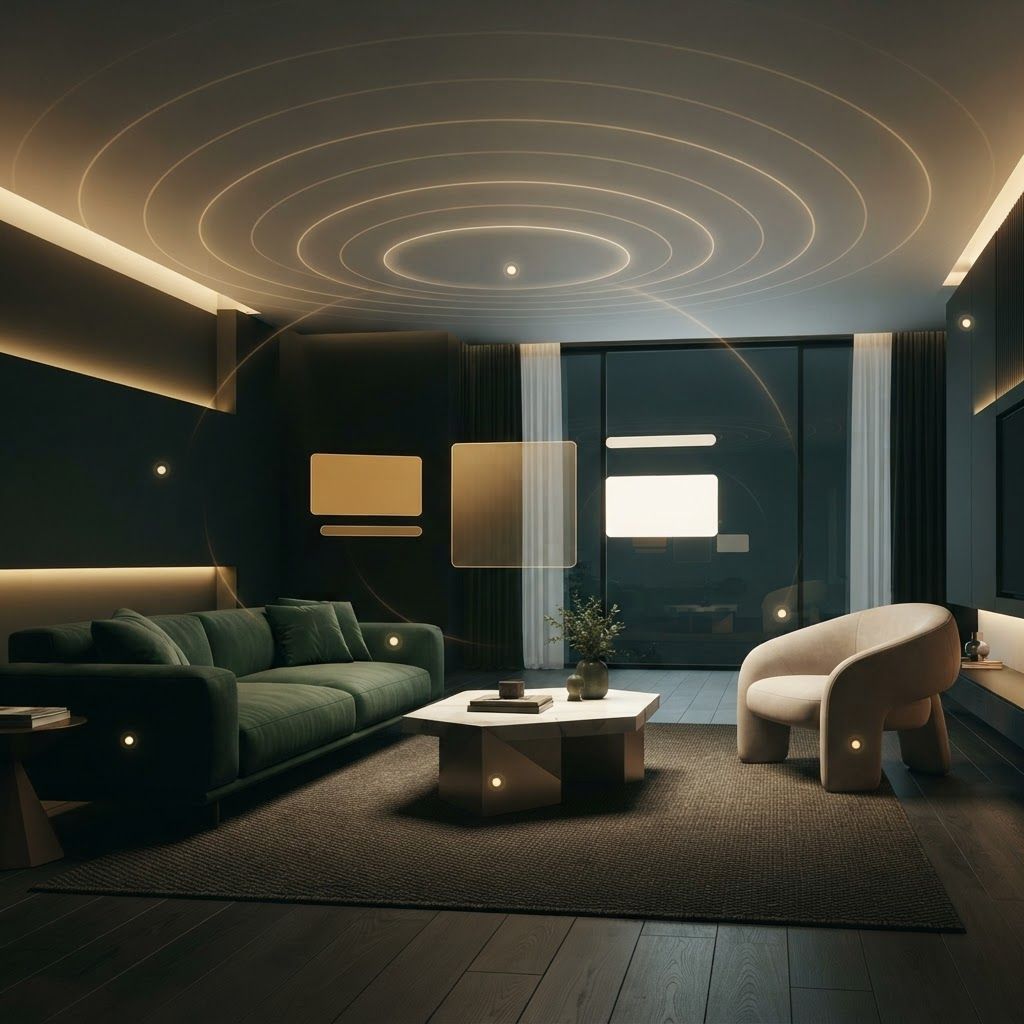
Villa interiors are moving towards natural materials, seamless indoor outdoor living, sculptural furniture and quiet luxury. Explore the trends shaping premium villa design and how to apply them without dating your home.
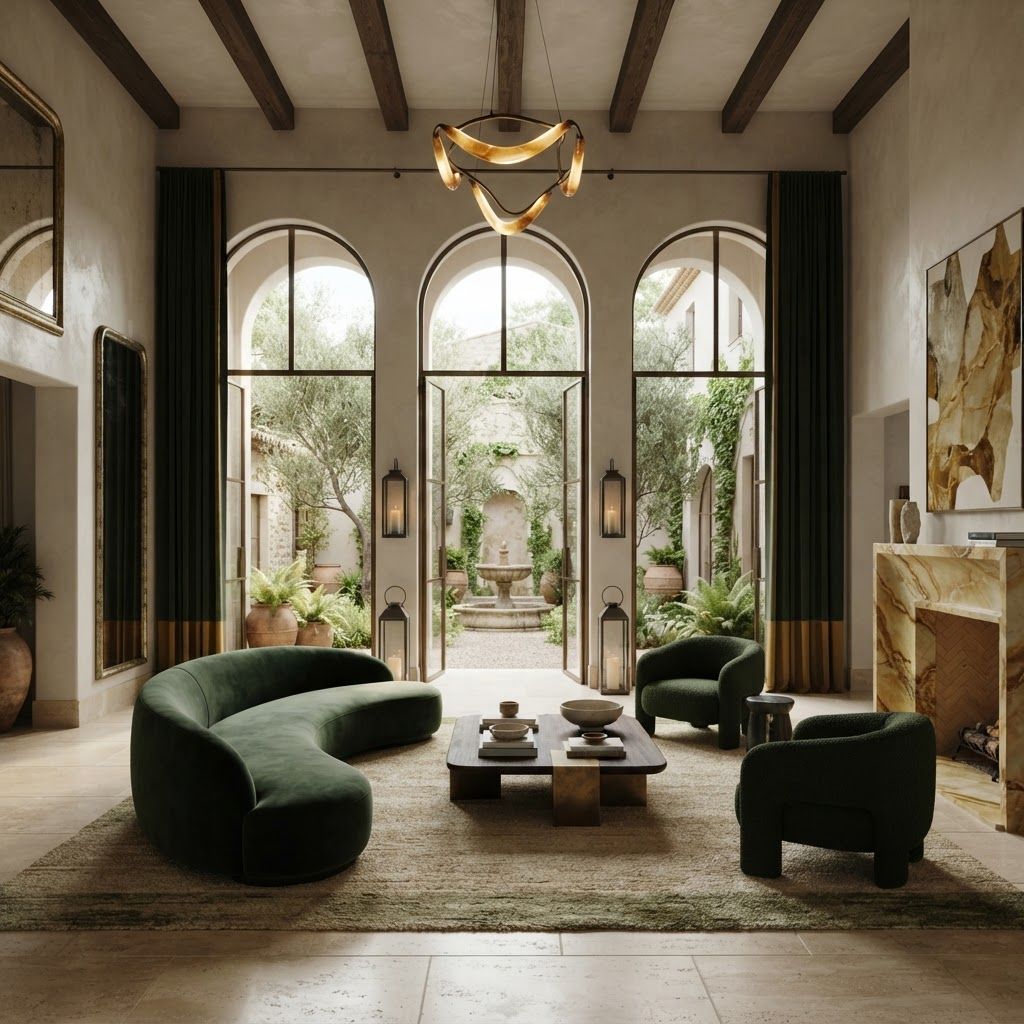
Villa interiors have shifted noticeably over recent years. The heavily ornamented, gold saturated look that once defined luxury has given way to something calmer and more confident. Today's premium villas rely on material quality, proportion, craftsmanship and light rather than decoration. The result is a style often described as quiet luxury, where richness is felt through touch and detail rather than announced through embellishment.
For villa owners in Islamabad, Lahore, Karachi and the growing gated developments across Pakistan, this shift is good news. It rewards thoughtful specification over sheer expenditure, and it produces homes that age gracefully. Below are the trends currently shaping villa interiors, along with guidance on applying them in a way that will still look considered in ten years.
Villa projects involve large areas, high specification materials, complex service coordination and long programmes, which makes professional management essential. Our Interior Design and Fit Out division at Living Solutions Global delivers villa interiors end to end, covering concept development, detailed design, bespoke joinery, stone and marble specification, lighting design, procurement and full site supervision under one accountable contract.
Through our interior design in Pakistan practice we work with local craftsmen and international suppliers to achieve premium finishes at realistic cost, and our residential interior design team ensures that scale and grandeur never come at the expense of everyday comfort. Owners who view their villa partly as an asset can also draw on our real estate investment advisory to align specification decisions with long term value.
Stone has returned to the centre of villa design, used generously and expressively. Book matched marble on a feature wall, a monolithic stone island in the kitchen, travertine cladding in an entrance hall and solid stone basins in bathrooms all appear regularly in current projects. The emphasis is on visible veining and natural variation rather than uniform slabs.
To apply this well, choose one or two stones for the entire villa and repeat them. Using six different marbles across a house creates visual noise. Also confirm sealing and maintenance requirements, because some porous stones stain easily in kitchens and around wash areas.
Stark white and grey minimalism has softened into a warmer expression. Villas now use oat, sand, clay and bronze tones alongside clean architectural lines. Surfaces are calm but never cold, with limewash and micro cement wall finishes adding subtle depth that flat paint cannot achieve.
The principle is simple restraint with warmth. Keep detailing minimal, keep the palette narrow and rely on texture to carry interest. This approach is particularly effective in large villa rooms, where a busy scheme becomes overwhelming at scale.
Villas increasingly blur the boundary between inside and outside. Large sliding glazed panels, matching floor levels between interior and terrace, continuous or closely matched flooring, and outdoor seating designed to the same standard as interior furniture all contribute to this effect. Covered verandas with fans and soft lighting extend usable living space for most of the year in Pakistani climates.
Practical detailing is critical here. Provide proper drainage at thresholds, choose slip resistant external surfaces and select fabrics rated for sun exposure so the outdoor areas remain as durable as they are attractive.
Curves have replaced sharp geometry in premium furniture. Rounded sofas, arched doorways, oval dining tables, curved joinery edges and organically shaped mirrors soften large volumes and create a more welcoming atmosphere. In villas with high ceilings and long walls, curved elements prevent the interior from feeling severe.
Use curves selectively. One or two strong sculptural pieces per room provide the effect, whereas curving every element becomes theatrical.
Lighting design has become one of the clearest markers of a well executed villa. The trend is away from visible fixtures towards concealed sources that light surfaces rather than the eye. Cove lighting, recessed linear channels, wall grazing to highlight texture and discreet spotlights on artwork create atmosphere without glare.
Decorative fittings still play a role, but they are chosen as objects in their own right, such as a sculptural pendant over a dining table or a pair of artisan wall lights in an entrance. Full dimming control across zones is now standard expectation rather than a luxury addition.
Villa owners are allocating space to specific activities rather than generic rooms. Home cinemas, gyms, wellness and steam areas, wine storage, home offices with proper acoustic treatment, prayer rooms and children's activity rooms are all increasingly common. The trend reflects a broader shift towards homes that support the whole of life rather than just accommodation.
These rooms need early technical planning for ventilation, power, acoustics and drainage, so they should be identified at concept stage rather than added later.
There is renewed appreciation for regional craftsmanship. Hand carved timber screens, traditional jali patterns reinterpreted in contemporary materials, handmade tiles, hand knotted rugs and commissioned artwork by local artists give villas a sense of place. This is the most effective way to make a large home feel personal rather than like a hotel.
Commission one or two significant craft pieces and give them space. A single exceptional handmade element carries more weight than many mass produced decorative objects.
Automation is now expected in villas, but the trend is towards discretion. Controls are consolidated into elegant keypads or mobile applications, speakers are flush mounted into ceilings, screens are concealed behind panels or mirrors and cabling is fully hidden. Lighting scenes, climate control, curtains, security and irrigation are increasingly managed from a single interface.
Plan infrastructure during construction. Retrofitting automation into a finished villa is expensive and rarely as neat.
Energy performance has become a genuine consideration rather than a marketing line. Double glazing, proper wall and roof insulation, solar provision, efficient lighting, water saving fittings and shading devices reduce running costs substantially in a large home. Reclaimed timber, low emission paints and locally sourced stone reduce environmental impact while often improving indoor air quality.
The safest strategy is to express trends in the layers you can change and keep the permanent layers timeless. Let architecture, stone, flooring and joinery follow classic proportions and restrained detailing, then bring current expression through furniture, fabrics, lighting and art. A villa built on good bones can be refreshed every decade without structural work.
Contemporary villa design values material honesty, generous light, connection to outdoor space, considered craft and technology that disappears into the background. Choose a narrow palette, invest in quality where it is touched and seen daily, plan services and specialist rooms early and let restraint do the work that ornament once did. If you are planning a villa interior and want a team that can manage both the design vision and the technical delivery, we would be glad to help you achieve it.

Written by the Living Solutions team
Strategy, design, and trade expertise, all under one roof.
Let's discuss how we can turn your vision into sustainable growth and measurable success.