
Understand what web applications are, how they differ from websites, and why they matter for growing businesses. A clear guide to features, benefits, and real world uses.
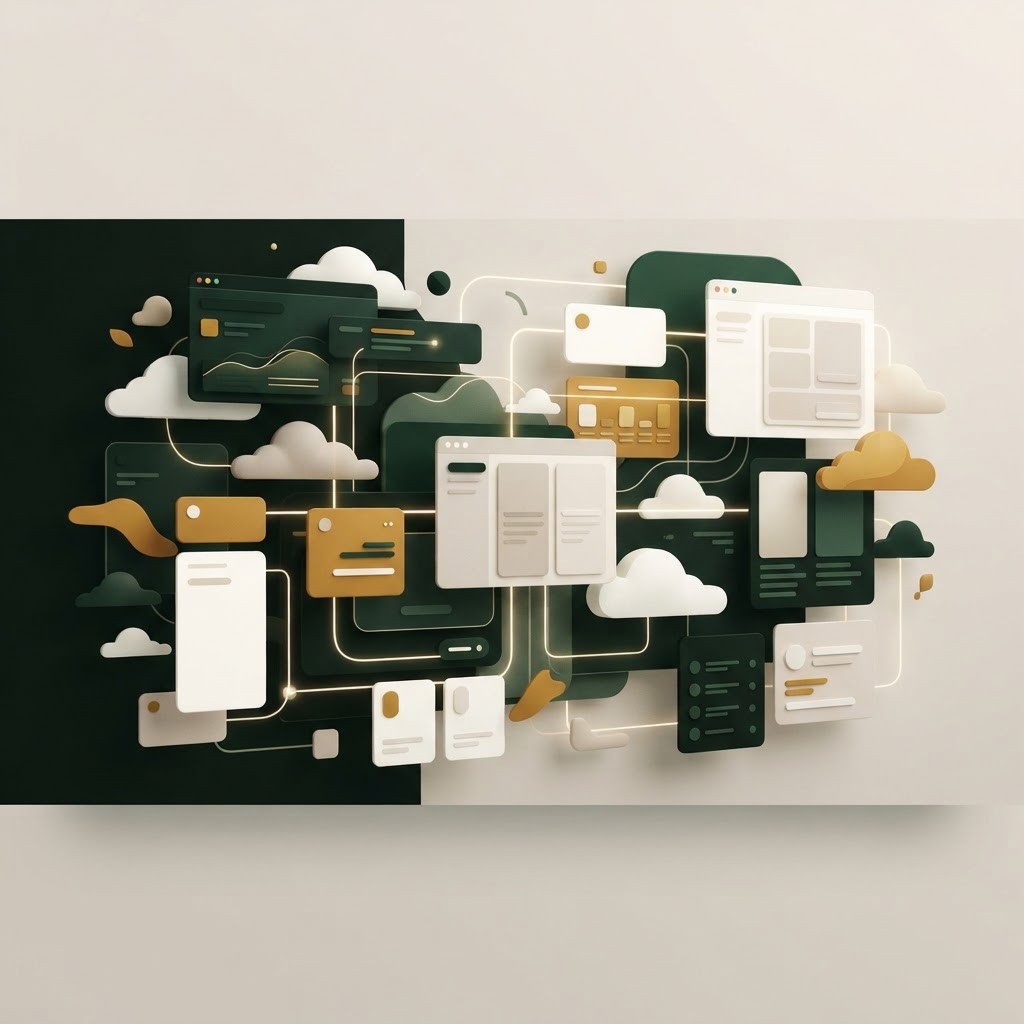
The term web application is used everywhere, yet many business owners are unsure what it truly means or why it matters. A web application is software that runs in a browser and lets users complete tasks rather than simply read information. From online banking and booking systems to dashboards and customer portals, web applications power much of the digital economy. In this article we explain what web applications are, how they differ from ordinary websites, and how they can transform the way your business operates.
Our Digital Marketing, Web and SEO team at Living Solutions Global designs and develops web applications that solve real business problems. We start by understanding your workflow, then create secure and scalable software tailored to your goals. As a trusted provider of website development in Pakistan, our Islamabad based engineers deliver applications that are reliable, easy to use, and ready to grow with your organization.
A traditional website mainly presents content such as pages, articles, and images that visitors read. A web application, by contrast, is interactive and responds to user input. When you log in, submit a form that updates records, filter live data, or complete a transaction, you are using a web application. Many modern sites blend both, offering informative pages alongside interactive tools that keep users engaged.
Every web application has a front end that users see and a back end that handles logic and data. The front end focuses on layout, interaction, and responsiveness across devices. The back end manages databases, business rules, and security. Connecting these layers is an application programming interface that allows information to move safely between the browser and the server. When these parts are engineered well, the result feels fast and seamless.
Web applications come in many forms to suit different needs. Customer portals let clients view invoices and manage accounts. Booking and reservation systems handle appointments in real conditions. Internal dashboards give teams a clear view of performance. Ecommerce platforms manage products, payments, and orders. Each type shares the same foundation of interactivity, data, and security while serving a distinct purpose.
The greatest advantage of a web application is efficiency. Tasks that once required phone calls, spreadsheets, or paperwork can be automated and centralized. Staff spend less time on manual work and more time on high value activities. Customers enjoy self service and instant access, which improves satisfaction. Because a web application lives online, it can be reached from anywhere with a browser, supporting remote teams and overseas clients alike.
Since web applications often handle sensitive information, security is essential. Strong authentication, encrypted connections, and careful data handling protect both the business and its users. Reliable hosting and regular maintenance keep the application available when it is needed most. A dependable application builds trust and reduces the risk of costly disruptions, which is why professional development matters so much.
The path to a great web application begins with clarity about the problem you want to solve. Mapping the user journey, defining core features, and setting realistic priorities help avoid wasted effort. Starting with a focused first version allows you to launch sooner and improve based on real feedback. Pairing development with a thoughtful digital marketing in Pakistan plan ensures your application reaches the people who will benefit from it most.
One of the most valuable qualities of a web application is its ability to grow with your business. A well engineered application can handle more users, more data, and more features without needing to be rebuilt from scratch. This scalability protects your investment and allows you to add capabilities as your needs evolve. Starting with a solid foundation means that future growth becomes an opportunity rather than a technical obstacle, which is why architecture decisions made early are so important.
Few businesses operate with a single tool, so the ability to connect systems is essential. A modern web application can integrate with accounting software, payment providers, messaging services, and other platforms your team already relies on. These connections allow information to flow automatically, reducing manual entry and errors. The result is a unified digital environment where your tools work together rather than in isolation, giving you a clearer view of your entire operation.
A web application is a living product that benefits from ongoing care. Regular updates keep it secure, compatible, and aligned with changing needs. Monitoring how people use the application reveals opportunities to improve the experience and add valuable features. This process of continuous improvement ensures your application keeps delivering value long after launch. Partnering with a reliable development team makes this ongoing evolution smooth and predictable.
Web applications turn browsers into productive tools that save time, delight customers, and unlock new ways of working. Whether you need a portal, a booking system, or a custom platform, the right application can become a central engine for growth. With careful planning and expert development, your business can harness this technology to stay competitive and efficient for years to come.

Written by the Living Solutions team
Strategy, design, and trade expertise, all under one roof.
Let's discuss how we can turn your vision into sustainable growth and measurable success.