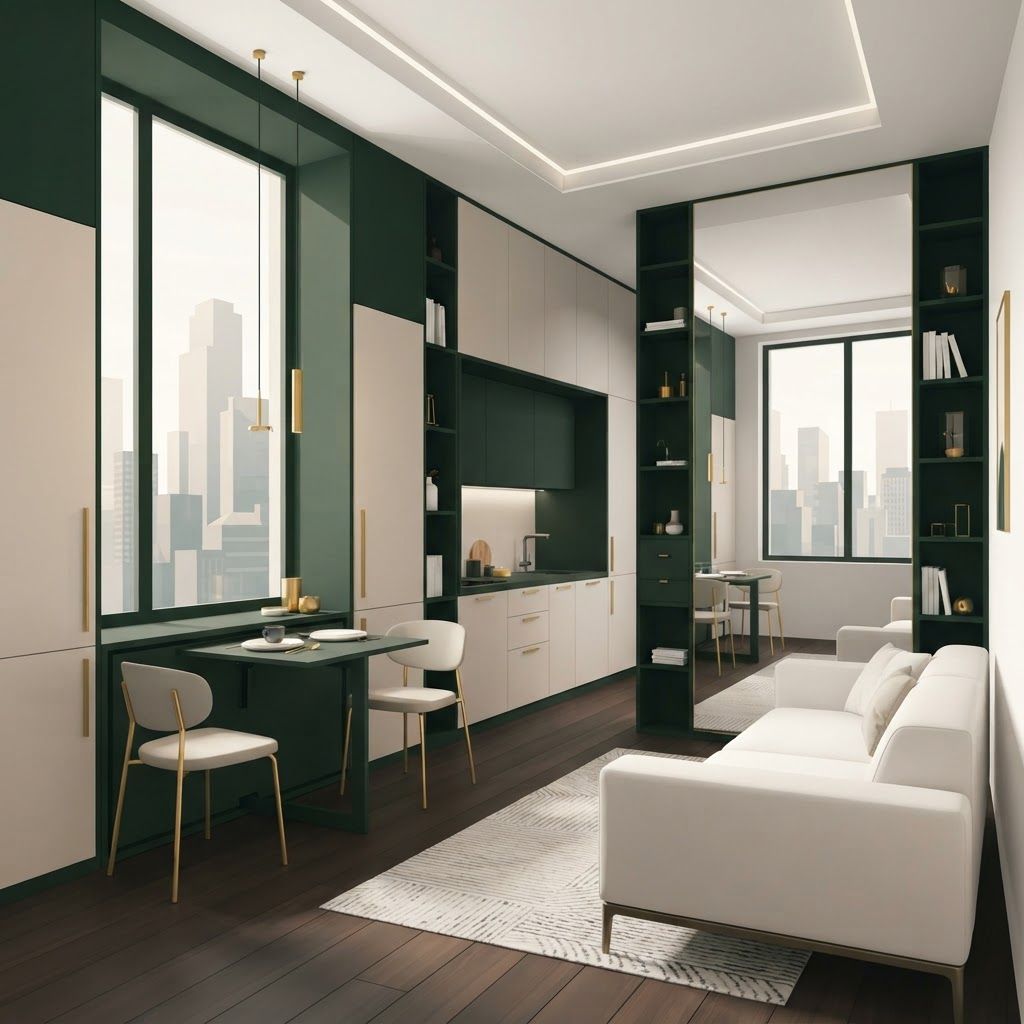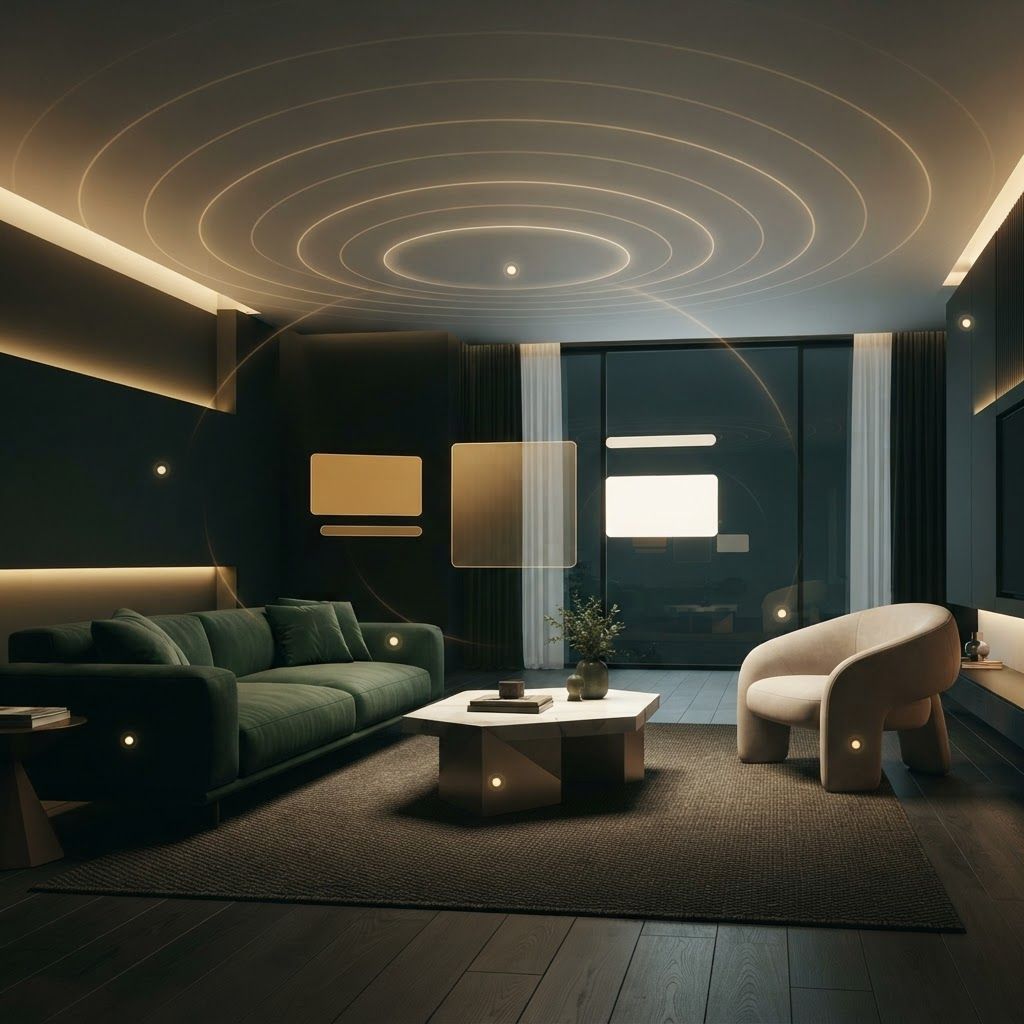
Interior design pricing in Islamabad varies widely depending on scope, materials and fee model. This guide explains the main pricing structures, what drives cost up or down and how to build a budget that survives execution.

Cost is the first question almost every client asks and the hardest one to answer in a single number. The reason is simple: interior design is not a standard product with a fixed price list. Two homes of identical size in the same sector of Islamabad can differ enormously in final cost depending on how much structural change is required, whether joinery is custom or ready made, whether stone is local or imported, how sophisticated the lighting plan is and how much supervision the project needs. What you can do, however, is understand the components that make up a price, the fee models that professionals use and the decisions that quietly multiply your spending. Once you understand those levers, you can steer the budget rather than react to it.
At Living Solutions Global we treat budgeting as a design discipline rather than an afterthought. Every project we take on begins with a written scope, an itemised bill of quantities and a material specification that names brands, thicknesses and quantities, so you can see precisely where your money is going before work starts. We then manage procurement and trades directly, which removes hidden margins and reduces wastage on site. Because our consultancy also advises businesses on cost control and capital planning, we bring that same financial rigour to interior work. Whether you are furnishing an apartment or completing a full villa, our residential interior design team will help you allocate spending to the elements that deliver the greatest visible and lasting impact.
Designers in Islamabad usually charge in one of four ways, and each suits a different type of client. The first is a one time consultation fee, where you pay for a site visit and professional advice with no drawings. This works well if you have a contractor already and simply need direction on layout, colour and materials. The second is a design fee based on covered area, where you receive a complete drawing package and specification but arrange execution yourself. The third is a percentage of total project value, common on larger homes and villas where the designer also coordinates delivery. The fourth is a turnkey contract in which design and execution are bundled into one price with a single point of accountability. Turnkey arrangements are usually the most convenient and the easiest to compare, because you receive one number for a defined outcome.
Five factors dominate almost every interior budget. Scope comes first: painting and furnishing costs a fraction of what it costs to relocate a kitchen, rebuild bathrooms or change ceiling levels. Joinery comes second and is often the single largest line item, because wardrobes, kitchens, vanities, television units and storage walls are all manufactured to measure. Finishes come third, and the spread here is dramatic, since flooring, stone, tiles, laminates and veneers are available at every price point. Lighting and electrical work come fourth and are frequently underestimated, particularly when a modern layered lighting plan requires new circuits and rewiring in an older property. Labour and supervision come fifth, and skilled craftsmanship legitimately costs more than unskilled work because it does not need to be redone.
The most common budgeting mistake in Islamabad is accepting the lowest quotation without normalising the scope. A quotation can be reduced in ways that are invisible on paper: thinner boards, inferior hardware, less surface preparation before painting, cheaper adhesives, fewer coats, generic electrical accessories and no allowance for wastage. These reductions do not show in a summary sheet, but they show within a year in sagging shutters, peeling edges, cracked joints and failing fittings. Low quotations also tend to omit items entirely, so the cost reappears later as variations when you have no leverage to negotiate. A slightly higher price with a fully specified scope is almost always cheaper by the end of the project.
A practical budget has three parts. The first is the base scope, which covers everything you have decided to do with specified materials. The second is a contingency of ten to fifteen percent, which absorbs the surprises that renovation work in existing buildings always produces, such as old wiring, damp walls, uneven floors or plumbing that must be replaced. The third is a phasing plan, which identifies what can be deferred if costs rise. Deferrable items usually include decorative elements, feature walls, loose furniture and landscaping. Items that should never be deferred include waterproofing, electrical safety, plumbing, structural repair and anything buried behind a finished surface, because returning to them later costs several times more.
Sensible allocation matters more than total spend. Invest in the elements you touch daily and the elements that are difficult to change later: kitchen hardware, bathroom fittings, flooring, wiring, waterproofing, door quality and the mattress and seating your family actually uses. Save on the elements that are easy to replace or that carry high style risk, such as heavily patterned wallpaper, statement decorative pieces, trend driven colour accents and elaborate false ceilings in secondary rooms. In rental properties the calculation shifts again toward durability and neutral finishes that appeal to a broad tenant base, an approach that connects closely with sound real estate investment thinking.
If you are budgeting for an office, clinic, retail unit or restaurant rather than a home, the cost structure changes. Commercial work must account for occupancy standards, mechanical and electrical loads, fire safety provisions, data and network cabling, signage, accessibility and often work performed outside business hours. Downtime also has a financial value, so programme certainty can be worth more than the cheapest rate. Businesses planning a workplace should budget for these technical layers from the beginning, which is why professional commercial interior design and coordinated fit out services usually produce a lower total cost of ownership than an informal arrangement.
Never release a large advance that is not tied to a deliverable. A healthy payment schedule links instalments to milestones such as approval of drawings, arrival of major materials on site, completion of joinery carcasses, completion of electrical rough in and final handover after snagging. Retain a final percentage until defects are cleared. Keep a written record of every variation with its price, agreed before the work is done rather than after. These simple habits prevent the majority of financial disputes on interior projects.
Any credible cost estimate requires three inputs: the covered area to be worked on, the depth of scope you want, and the material standard you expect. Without those, a quoted figure is guesswork. The most efficient path is a site visit followed by a written scope and itemised costing, so you can adjust the specification until the number matches your budget rather than discovering the gap halfway through construction. If you would like a transparent breakdown for your own home or workplace in Islamabad, our team can survey the property, define the scope with you and provide a fully itemised cost plan that you can review line by line before committing to anything.

Written by the Living Solutions team
Strategy, design, and trade expertise, all under one roof.
Let's discuss how we can turn your vision into sustainable growth and measurable success.