A hotel's interior can make or break the guest experience. We reveal the most common design mistakes that ruin hotel interiors in Lahore and how to avoid them.
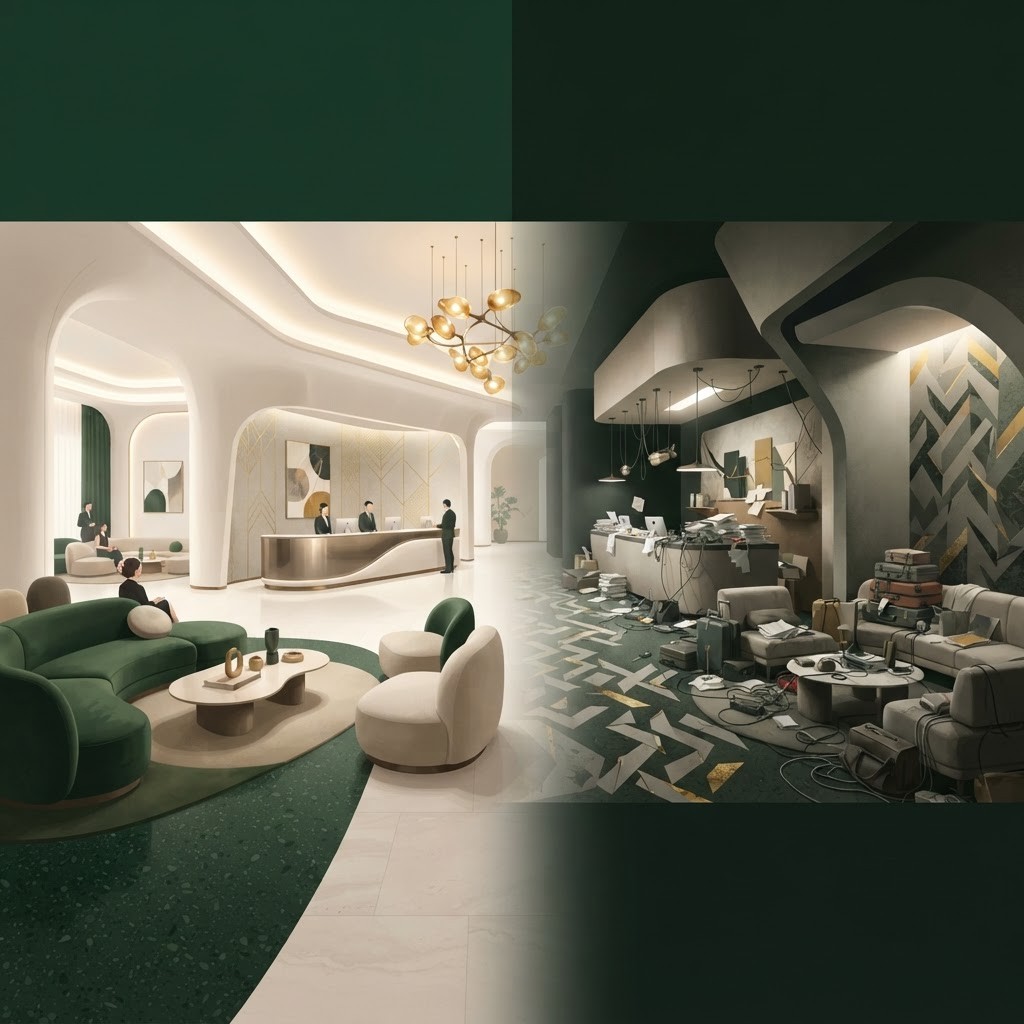
In Lahore's competitive hospitality market, a hotel's interior is far more than decoration. It is the first impression, the atmosphere guests remember, and often the reason they choose one property over another. A beautifully designed hotel builds loyalty and commands higher rates, while a poorly designed one loses guests no matter how good the service. Unfortunately, many hotels fall into avoidable design traps that quietly damage their appeal and profitability. Understanding these mistakes is the first step to avoiding them.
At Living Solutions Global, we help hotels in Lahore create interiors that impress guests and support strong business performance. Our commercial interior design team blends aesthetics with practicality, ensuring every space is beautiful, durable, and functional. We help owners avoid the costly errors that ruin hotel interiors, delivering environments that guests love and that stand the test of time.
One of the most common mistakes is designing purely for appearance while ignoring how a space actually works. A stunning lobby that confuses guests, or a beautiful room with poor storage and awkward layouts, quickly frustrates visitors. Hotel interiors must balance visual appeal with comfort, flow, and usability. Guests notice when a space looks good but functions poorly, and that disappointment shapes their reviews and their decision to return.
Hotels experience constant use, and interiors must withstand heavy traffic. A frequent error is choosing delicate materials and finishes that look elegant at first but wear out or stain quickly. Worn furniture, scuffed walls, and faded fabrics signal neglect and cheapen the guest experience. Smart hotel design selects durable, easy to maintain materials that retain their beauty over years of use. Planning for maintenance from the start protects both appearance and budget, a key principle of professional fit out services.
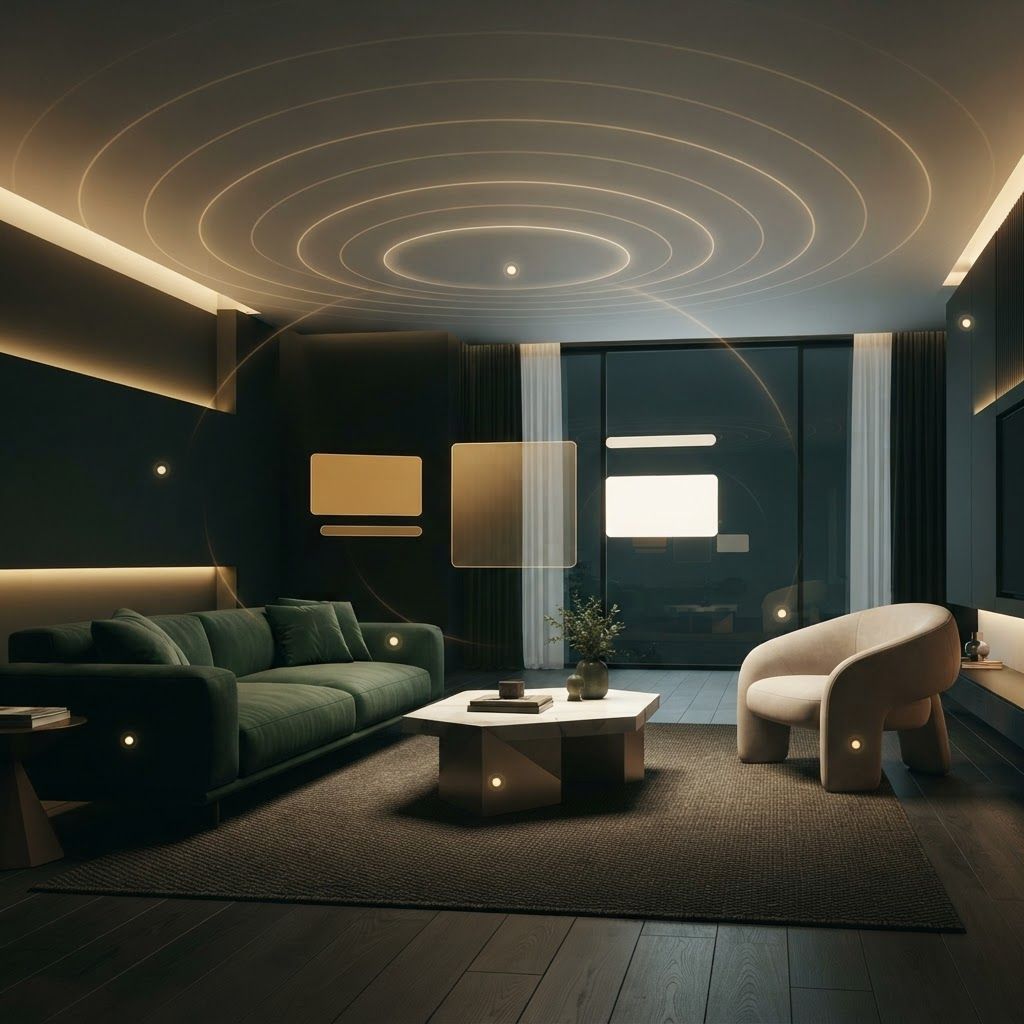
Lighting can transform or ruin a hotel interior. Harsh, uniform lighting makes spaces feel cold and clinical, while inadequate lighting feels gloomy and unwelcoming. The best hotel interiors layer ambient, task, and accent lighting to create warmth and flexibility across different areas and times of day. Neglecting lighting design is one of the most damaging yet easily avoidable mistakes, since good lighting dramatically elevates even modest spaces.
A hotel interior should tell a coherent story that reflects its brand and appeals to its target guests. A common mistake is a disjointed design where lobby, rooms, and dining areas feel like they belong to different hotels. Inconsistency confuses guests and weakens the property's identity. Thoughtful, unified design that carries a consistent theme throughout creates a memorable and professional impression, reinforcing the value of considered interior design in Pakistan.
Ultimately, guests judge a hotel by how comfortable they feel. Cramped rooms, uncomfortable beds, poor soundproofing, and inadequate climate control ruin the experience regardless of how stylish the decor looks. Prioritising genuine comfort, quality mattresses, quiet rooms, good ventilation, and ergonomic furniture, matters far more than trendy features. Hotels that forget this lose repeat business no matter how photogenic their interiors appear.
Trying to fit too much into a space is another frequent error. Overcrowded lobbies, tight corridors, and cluttered rooms feel stressful and cheap. Good hotel design respects the value of open, breathable space and plans circulation carefully so guests and staff move easily. Well planned space feels luxurious even when the footprint is modest, while poor planning makes even large hotels feel awkward.
Another mistake hotels in Lahore make is copying international designs without adapting them to local context and climate. Materials that suit cooler climates may not perform well in Lahore's heat, and designs that ignore local culture can feel impersonal to domestic guests. The most successful hotel interiors blend contemporary appeal with thoughtful touches that reflect local heritage and hospitality. This sense of place makes a hotel feel authentic and memorable, distinguishing it from generic properties and appealing to both local and international visitors.
Hotel interiors are often designed entirely around guests, while the practical needs of staff are overlooked. Yet efficient service depends on well planned back areas, clear circulation routes, and functional service spaces. When staff can move and work easily, guests receive faster, smoother service. Ignoring these operational realities creates bottlenecks that frustrate everyone. The best hotel design considers the full journey of both guests and staff, ensuring that beauty and efficiency work together rather than against each other.
The mistakes that ruin hotel interiors in Lahore, from prioritising looks over function to neglecting durability, lighting, branding, and comfort, are all avoidable with proper planning and expertise. A great hotel interior delights guests, protects the owner's investment, and drives lasting profitability. We help hotels design interiors that are beautiful, practical, and unforgettable, ensuring every guest leaves impressed and eager to return.

Written by the Living Solutions team
Strategy, design, and trade expertise, all under one roof.
Let's discuss how we can turn your vision into sustainable growth and measurable success.