
Export rebates reduce costs and improve competitiveness for exporters. Learn which businesses in Pakistan should take advantage of export rebate schemes.
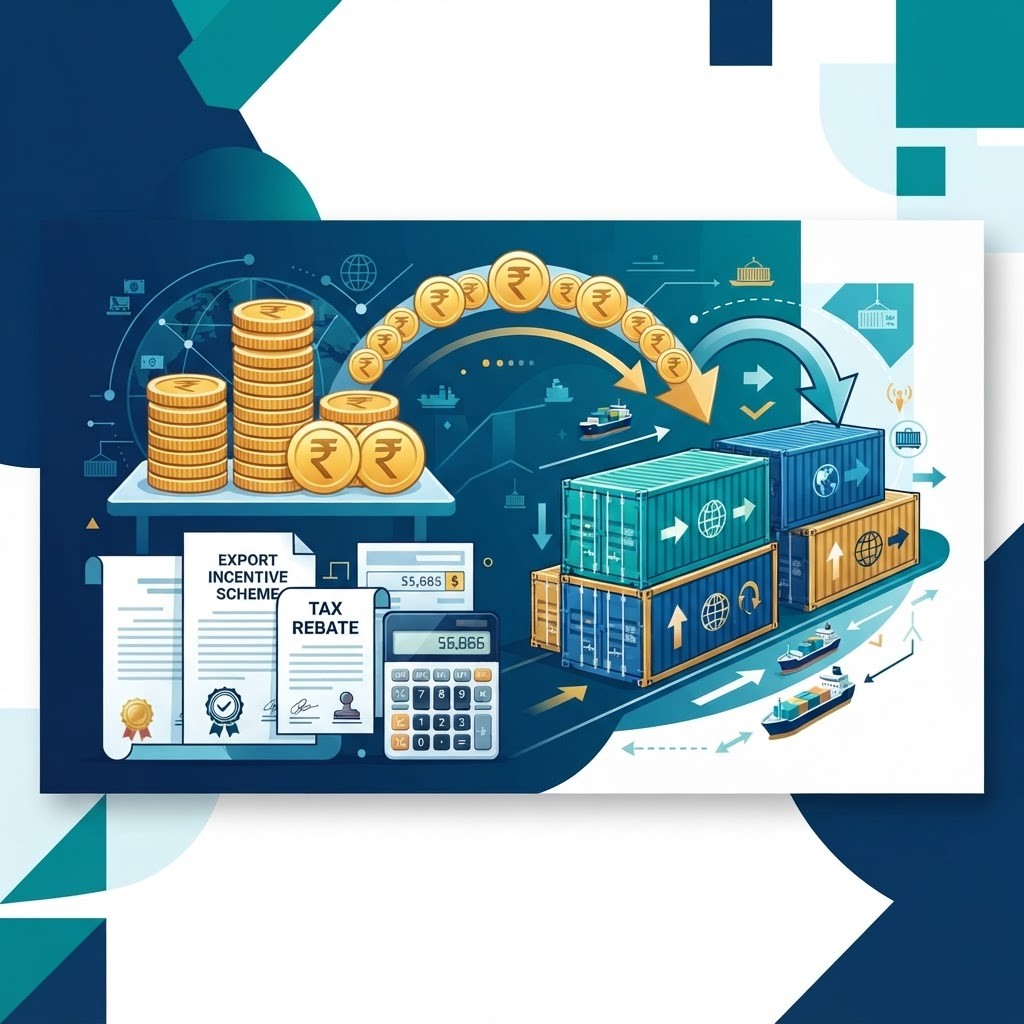
Export rebates are financial incentives that return certain taxes and duties to exporters, reducing their costs and improving their competitiveness in global markets. In Pakistan, these schemes are designed to encourage foreign sales, support key industries, and boost the country's earnings from exports. Understanding who needs export rebates, and how to claim them, can make a significant difference to the profitability of an exporting business. For many companies, rebates are the margin between winning and losing an international order.
Export rebates matter because international competition is intense. Exporters from many countries compete on price and quality, and even small cost advantages can determine success. By recovering taxes and duties paid during production, rebates allow Pakistani exporters to offer better prices while protecting their margins. This makes them a vital tool for a wide range of businesses.
At Living Solutions Global, we help exporters understand and access rebate schemes through our export consultancy in Pakistan. As an Islamabad based consultancy, we guide businesses through eligibility, documentation, and claims so they can capture the full value of available incentives. You can discover our complete trade offering at Living Solutions Global, where we help exporters improve their competitiveness and profitability.
Manufacturers who use imported raw materials or pay significant taxes during production are among the biggest beneficiaries of export rebates. Industries such as textiles, leather, surgical instruments, and sports goods often incur substantial input costs. Rebates return a portion of these costs, improving margins and allowing manufacturers to price competitively in foreign markets.
For these businesses, rebates can be the difference between a profitable export order and one that barely breaks even. By recovering embedded costs, manufacturers strengthen their position against international rivals and can invest the savings in growth.
Any exporter operating in a price sensitive market benefits from rebates. When buyers compare offers from multiple countries, the ability to offer a lower price without sacrificing quality is a powerful advantage. Rebates provide exactly this advantage by lowering the effective cost of production, allowing businesses to compete more aggressively while remaining profitable.
This is especially important for exporters selling commodities or standardised products, where price often drives buying decisions. In these markets, capturing every available rebate is essential to staying competitive.
Companies looking to grow their export volumes have much to gain from rebates. As export volumes rise, the total value of rebates increases, freeing up capital that can be reinvested into production, marketing, and market expansion. This creates a virtuous cycle in which rebates fund further growth. Ambitious exporters who understand and use these schemes can scale faster and more sustainably.
Rebates also improve cash flow, which is critical for growing businesses. By recovering costs promptly, exporters can fund larger orders and take on more ambitious opportunities. Our international trade in Pakistan support helps businesses align their operations with rebate requirements so they can grow with confidence.
New exporters, in particular, should understand rebates from the outset. Establishing proper documentation and processes early ensures that a business can claim rebates smoothly as it grows. New entrants who overlook these incentives may find themselves at a disadvantage against more experienced competitors who factor rebates into their pricing.
By building rebate awareness into their planning, new exporters position themselves for stronger margins and healthier growth. Expert guidance at this stage can prevent missed opportunities and costly mistakes.
To benefit fully from export rebates, businesses must maintain accurate records, submit correct documentation, and understand the eligibility rules that apply to their products. Errors or omissions can delay or reduce claims, so precision matters. Working with experienced advisors helps exporters navigate the process, avoid pitfalls, and capture the full value they are entitled to.
The businesses that gain the most from export rebates are those that build them into their pricing strategy from the start. By understanding the rebates available on their products, exporters can calculate their true cost of production and set prices that are both competitive abroad and profitable at home. This allows them to bid confidently for international orders, knowing that recovered taxes and duties will protect their margins.
Rebates should also inform decisions about sourcing and production. Choosing inputs and processes that maximise eligible rebates can meaningfully improve profitability. When rebates are treated as an integral part of financial planning rather than an occasional bonus, they become a strategic tool that supports both competitiveness and growth. Exporters who master this discipline consistently outperform rivals who ignore it.
Export rebates in Pakistan benefit manufacturers with high input costs, exporters competing on price, businesses scaling their exports, and new entrants building a foundation. By recovering taxes and duties, rebates improve competitiveness, protect margins, and fund growth. If you want to make the most of export rebate schemes and strengthen your position in global markets, our team is ready to guide you.

Written by the Living Solutions team
Strategy, design, and trade expertise, all under one roof.
Let's discuss how we can turn your vision into sustainable growth and measurable success.