
Exporting opens new markets, boosts revenue, and reduces reliance on the local economy. Learn which businesses in Pakistan should consider exporting.
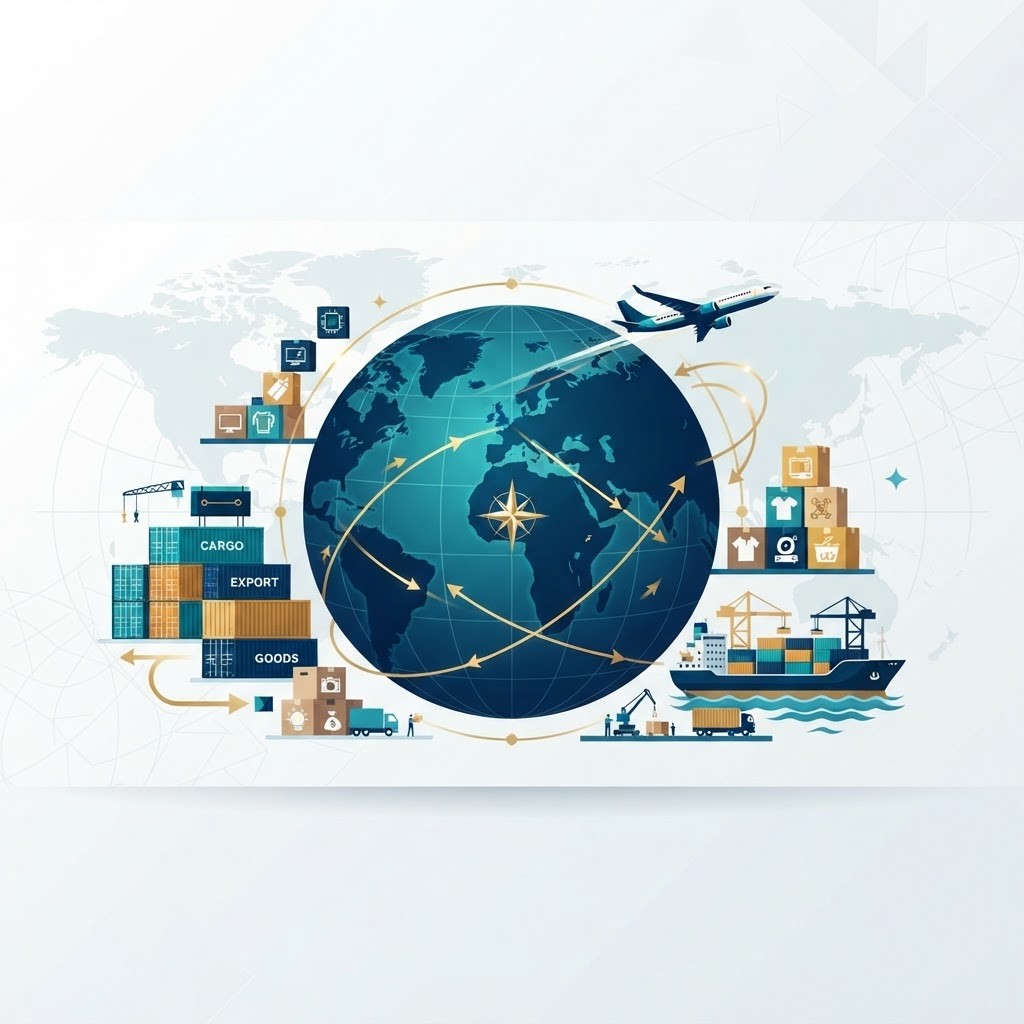
Exporting is one of the most powerful ways for a business to grow, and in Pakistan it holds special importance for both individual companies and the wider economy. By selling to customers beyond national borders, businesses can access larger markets, earn valuable foreign exchange, and reduce their dependence on local demand alone. Yet many companies wonder whether exporting is right for them. The truth is that a wide range of businesses across Pakistan can benefit from exporting, provided they approach it strategically.
Understanding who needs exporting helps business owners decide whether to pursue international markets. From manufacturers and farmers to service providers and artisans, exporting offers opportunities to those willing to meet global standards and build relationships abroad. Recognising your own potential is the first step toward global growth.
At Living Solutions Global, we help businesses assess their export potential and enter foreign markets through our export consultancy in Pakistan. As an Islamabad based consultancy, we guide companies through the practical steps of exporting, from documentation to buyer connections. You can explore our full range of trade services at Living Solutions Global, where we turn export ambitions into real achievements.
Manufacturers are among the most obvious candidates for exporting. Companies producing textiles, surgical instruments, sports goods, leather products, and many other items often find that domestic demand cannot absorb their full capacity. Exporting allows these manufacturers to run at higher volumes, spread their costs, and increase profitability. It also exposes them to international quality standards that can improve their products and processes.
For manufacturers, exporting can transform a good local business into a thriving global one. By reaching customers in multiple countries, they gain stability and scale that the local market alone cannot provide.
Pakistan's rich agricultural output makes farmers and producers strong candidates for exporting. Rice, fruits, vegetables, and processed foods are in demand around the world, and exporting allows producers to earn better prices than they might at home. By meeting international quality and safety standards, agricultural businesses can access premium markets that reward their efforts.
Exporting also encourages investment in quality, processing, and packaging, which benefits the entire supply chain. Farmers who embrace exporting often find that their standards, and their incomes, rise together.
Exporting is not limited to physical goods. Service providers, including technology companies, software developers, and creative agencies, can export their expertise to clients around the world. Pakistan's growing pool of skilled professionals makes services a rapidly expanding export category. These businesses earn foreign exchange while building international reputations, all without shipping a single physical product.
For service firms, the barriers to exporting are often lower than for manufacturers, since delivery happens digitally. This makes exporting an especially attractive path for ambitious knowledge based businesses.
Pakistan is home to talented artisans and niche producers whose handcrafted goods, from textiles to decorative items, appeal to international buyers seeking authenticity and quality. Exporting connects these producers with customers who value their craft and are willing to pay for it. This not only boosts incomes but also preserves and promotes traditional skills.
With the right presentation and market access, even small producers can build meaningful export businesses. Our international trade in Pakistan support helps these businesses reach the right buyers and manage the practicalities of selling abroad.
Finally, any business that wants to reduce its reliance on the local economy can benefit from exporting. By diversifying into multiple markets, a company protects itself from local downturns and gains new avenues for growth. Foreign earnings also strengthen a business financially and enhance its credibility. In an uncertain world, this diversification is a valuable form of resilience.
Deciding to export is only the beginning. Businesses that succeed abroad prepare carefully before they begin. This means ensuring that products meet international quality standards, that production can scale to meet larger orders, and that pricing accounts for shipping, duties, and other costs. It also means understanding the target market, from customer preferences to competition and regulations, so that entry is based on knowledge rather than guesswork.
Equally important is presenting the business professionally to international buyers. Clear product information, reliable communication, and a credible online presence all help win trust across borders. Companies that invest in this preparation find that their first export experiences are smoother and more profitable. With the right groundwork and expert guidance, almost any capable business can turn export potential into steady international revenue.
Exporting in Pakistan is valuable for manufacturers, farmers, service providers, artisans, and any business seeking growth and stability beyond the local market. By reaching international customers, these businesses increase revenue, earn foreign exchange, and build stronger, more resilient operations. If you believe your business has export potential, our team is ready to help you explore and seize the opportunity.

Written by the Living Solutions team
Strategy, design, and trade expertise, all under one roof.
Let's discuss how we can turn your vision into sustainable growth and measurable success.