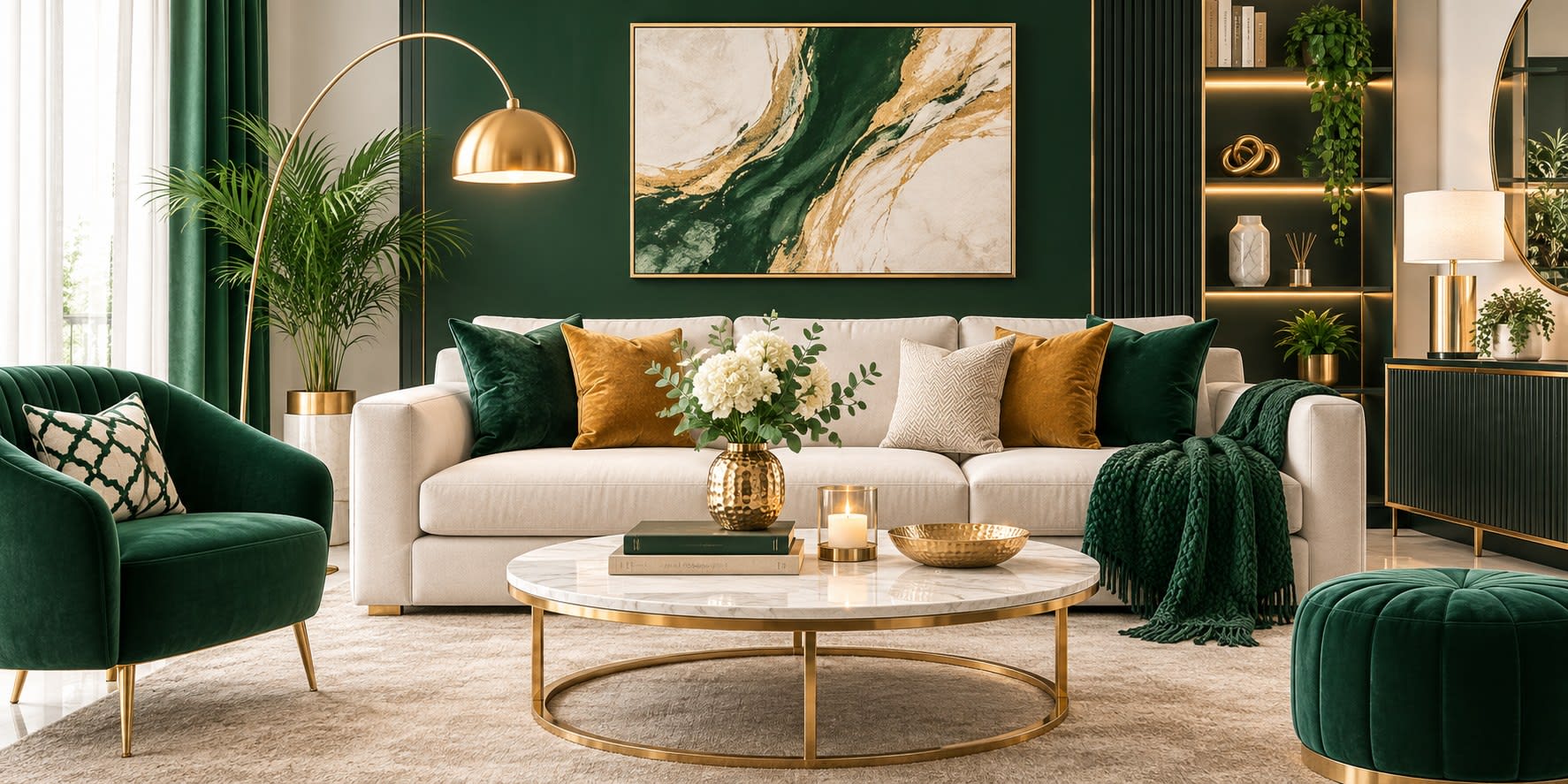
Pakistan's furniture exports are rising fast, driven by skilled craftsmanship, competitive costs, and growing global demand. This article explores the forces behind the boom and how producers can capture the opportunity.

Pakistan's furniture industry is enjoying a period of remarkable momentum, and the reasons go well beyond a single lucky trend. Centuries of woodworking heritage in cities such as Chiniot, Gujrat, and Peshawar have produced a deep pool of artisans whose hand carved and hand finished pieces are genuinely difficult to replicate elsewhere. At the same time, global buyers are searching for suppliers who can offer both craftsmanship and value, and Pakistan increasingly fits that description. The combination of skill, competitive pricing, and improving export infrastructure has turned a traditionally domestic industry into a rising force in international markets.
This boom is not accidental. It reflects real structural advantages that are becoming visible to buyers who once looked only to established furniture exporting nations. For producers willing to modernise and formalise, the window of opportunity is wide open.
At Living Solutions Global, we help furniture makers turn local craftsmanship into thriving export businesses. Our export consultancy in Pakistan team manages buyer sourcing, packaging standards, and shipping logistics so that delicate pieces arrive abroad in perfect condition. Drawing on our experience across international trade in Pakistan, we also help producers price competitively while protecting their margins. We aim to connect the workshops of Chiniot and Gujrat with discerning buyers around the world.
The foundation of the boom is Pakistan's unmatched woodworking tradition. Generations of craftsmen have refined techniques in carving, inlay, and joinery that produce furniture with character and durability. In a global market increasingly tired of mass produced uniformity, buyers are rediscovering the appeal of pieces that carry the mark of human skill. Solid wood dining sets, intricately carved bedroom furniture, and bespoke commercial fittings all showcase this heritage. When this craftsmanship is paired with contemporary design sensibilities, the result appeals strongly to buyers in the Gulf, Europe, and North America who want distinctive products for both homes and hospitality projects.
Cost competitiveness is a major driver of the boom. Labour and raw material costs in Pakistan remain favourable compared with many rival exporting nations, allowing producers to offer attractive prices while maintaining quality. This value proposition is especially powerful for hospitality and real estate developers who need large volumes of well made furniture for hotels, resorts, and residential projects. As global buyers diversify their supply chains and seek alternatives to more expensive sources, Pakistan's blend of affordability and craftsmanship becomes increasingly compelling. This same value is why interior focused developers frequently pair furniture sourcing with wider fit out planning.
Worldwide demand for furniture continues to rise, fuelled by construction growth, expanding hospitality sectors, and a renewed interest in home improvement. Gulf markets in particular are investing heavily in tourism and residential development, creating strong appetite for both classic and modern furniture. European buyers value sustainably sourced solid wood pieces, while overseas Pakistani communities create steady demand for familiar designs. This diversity of markets protects exporters from overreliance on any single destination and gives producers room to grow. Recognising these shifting patterns is central to any credible market entry services strategy for the sector.
The final ingredient in the boom is the ongoing modernisation of the industry. Producers are investing in better kiln drying, precision machinery, and quality control that ensure consistency across large orders. Just as importantly, more businesses are formalising their operations, obtaining certifications, and adopting professional packaging and logistics practices that protect delicate pieces during long journeys. Investors exploring Pakistan investment opportunities increasingly see furniture manufacturing as a sector where modest capital improvements can unlock significant export gains. This professionalisation is what transforms occasional export orders into reliable, repeatable business.
The furniture export boom in Pakistan rests on a rare combination of heritage craftsmanship, competitive costs, rising global demand, and steady modernisation. Producers who embrace quality control, professional logistics, and thoughtful market selection are best positioned to benefit. The opportunity is substantial, but it favours those who treat exporting as a disciplined, long term commitment rather than a seasonal bonus. With the right strategy and support, Pakistani furniture makers can build enduring international brands that carry the artistry of local workshops into homes and businesses across the globe.

Written by the Living Solutions team
Strategy, design, and trade expertise, all under one roof.
Let's discuss how we can turn your vision into sustainable growth and measurable success.