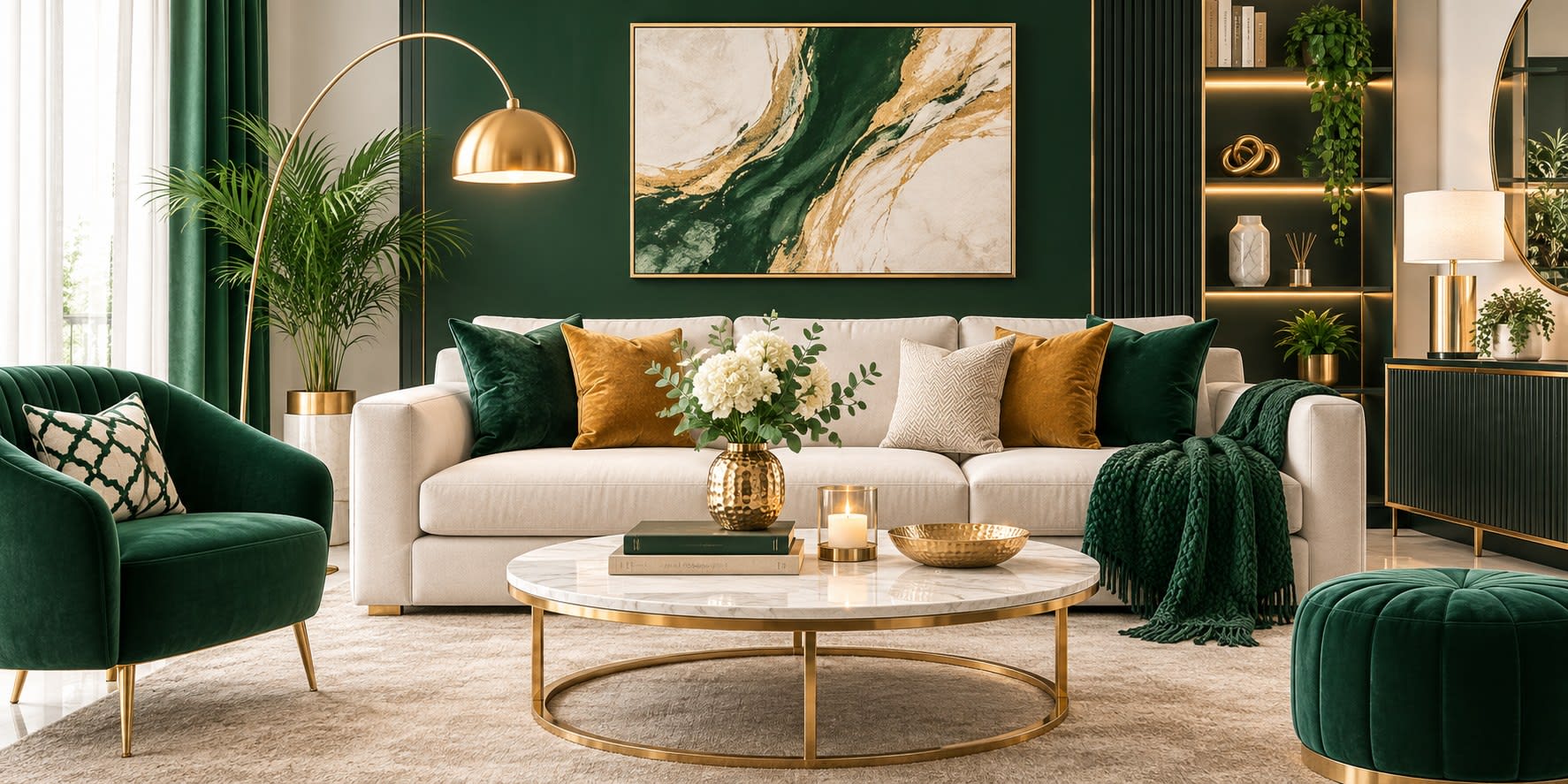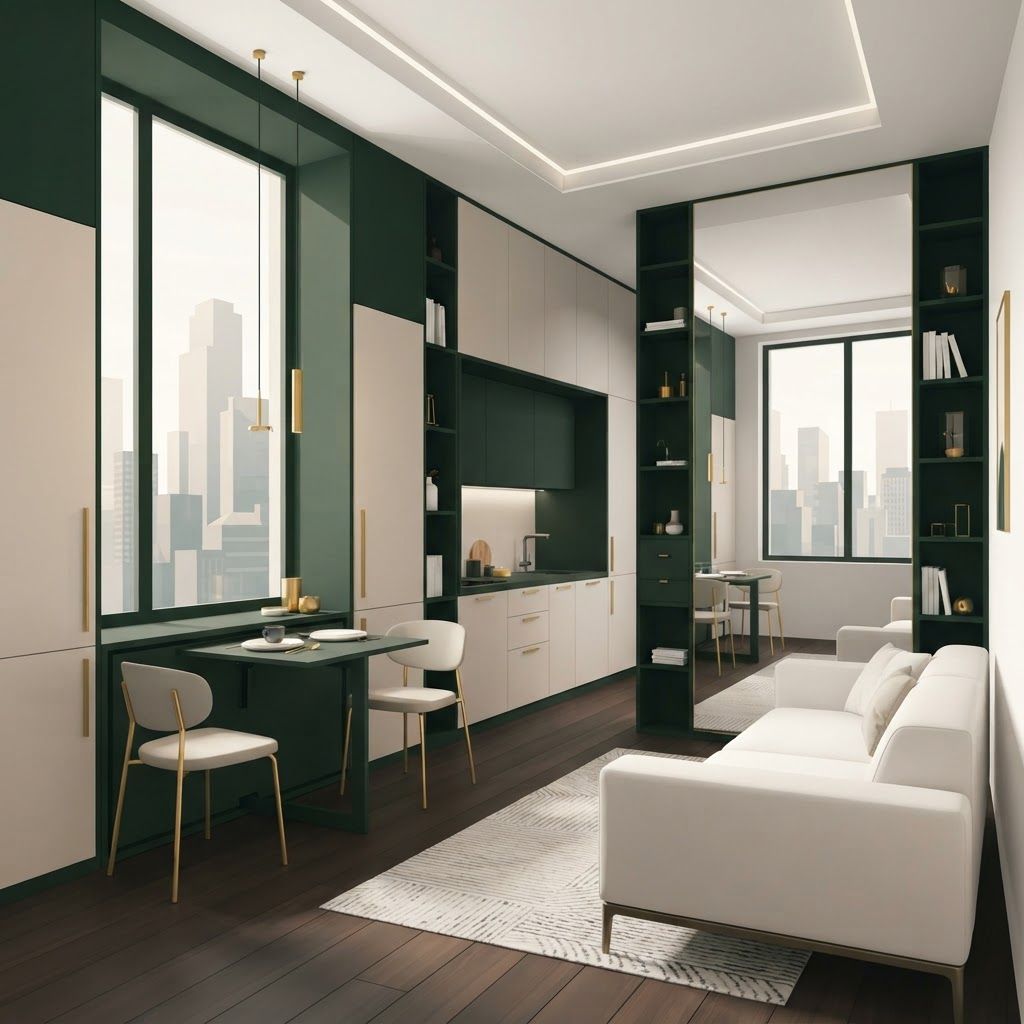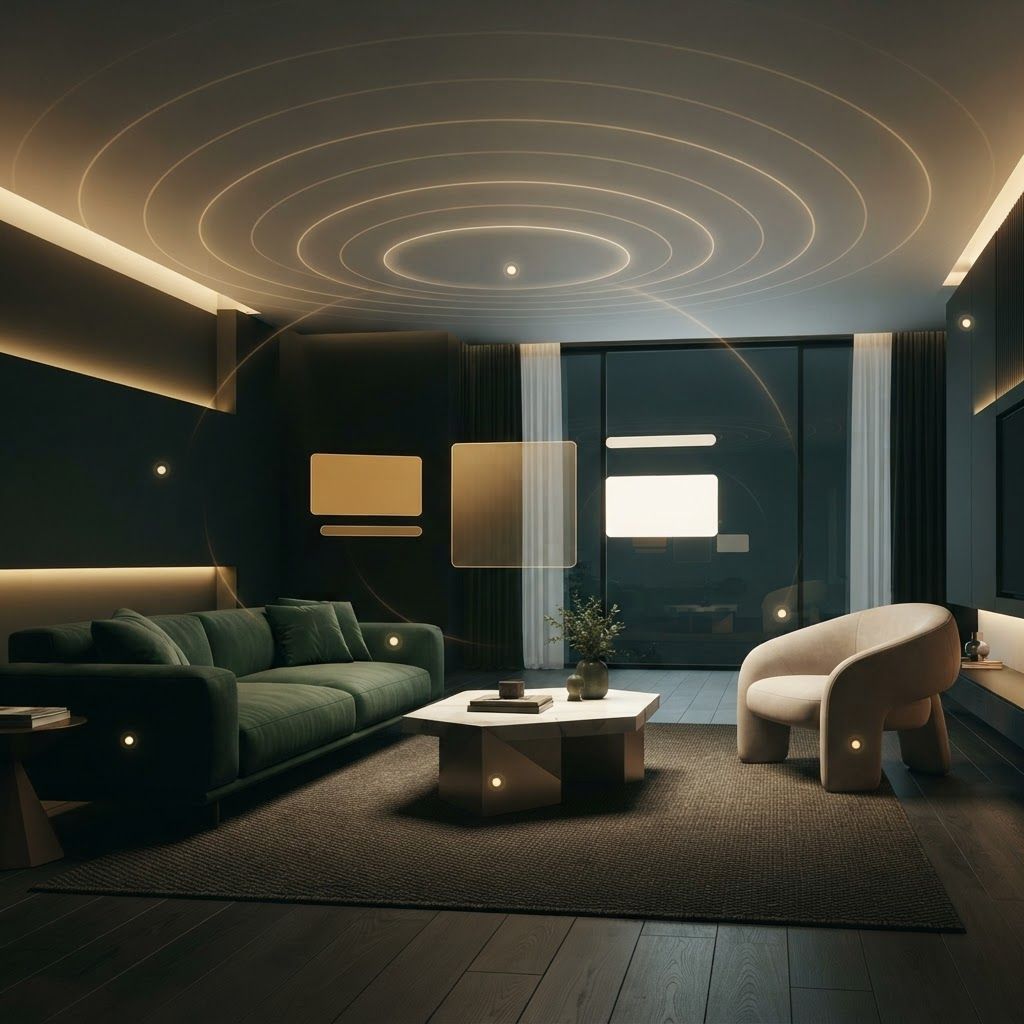
Discover how workspace design directly influences productivity, focus, and employee wellbeing. Learn practical strategies for lighting, layout, ergonomics, and collaboration that help teams perform at their best.
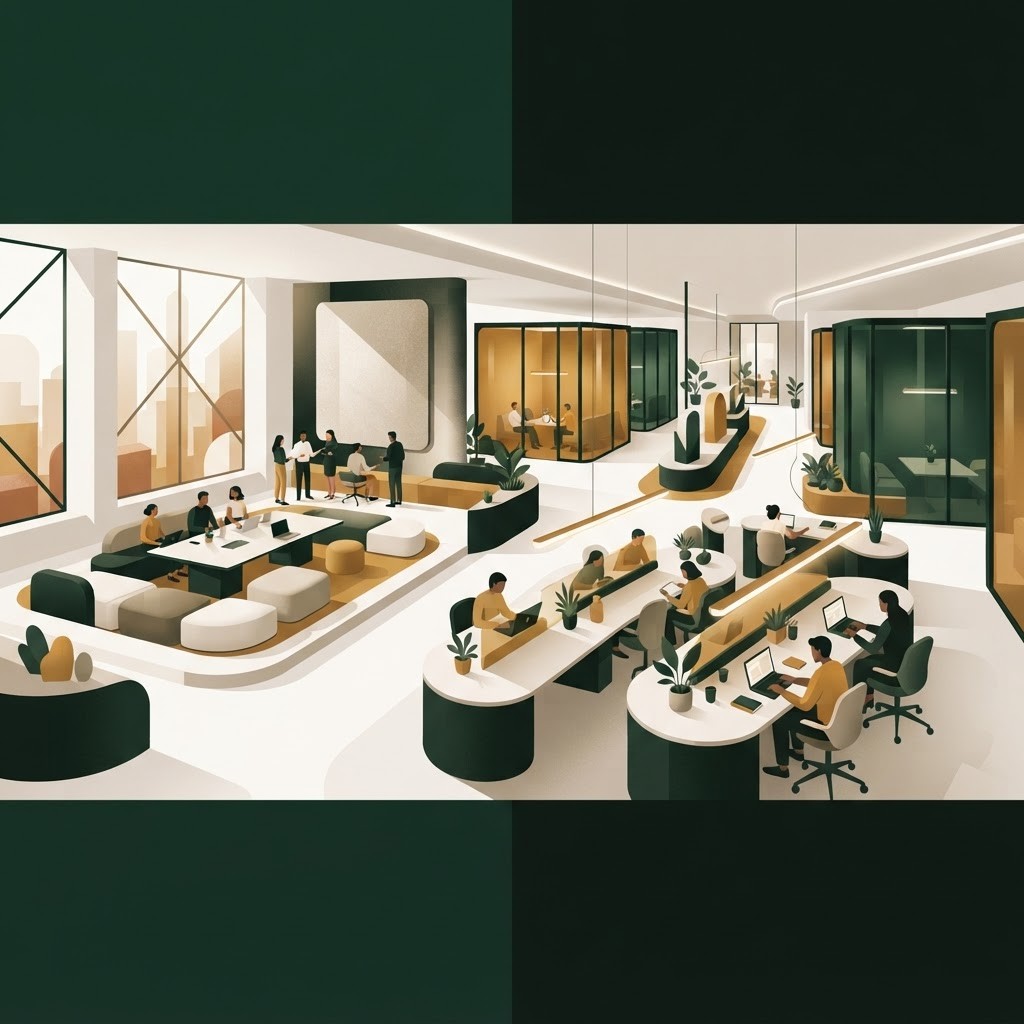
Workspace design has a direct and measurable impact on how well people work. A thoughtfully designed environment boosts focus, energy, collaboration, and job satisfaction, while a poorly planned one drains motivation and productivity. As businesses in Pakistan compete for talent and efficiency, the office has become a strategic tool rather than just a place to sit. This article explores how workspace design influences productivity and shares practical strategies to help your team perform at its best.
At Living Solutions Global we design workspaces that align with how people actually work, balancing focus, collaboration, and comfort. Our team studies your culture, workflows, and goals to create environments that support productivity and wellbeing. Through our office interior design services we transform ordinary offices into inspiring, efficient spaces. With Living Solutions Global managing your project end to end, you gain a workplace that reflects your brand and empowers your team to do their best work.
People are deeply influenced by their surroundings. Factors such as lighting, noise, air quality, and layout affect concentration, mood, and stamina throughout the day. A cluttered, poorly lit, or noisy office creates constant low level stress that erodes performance. In contrast, a well designed workspace reduces distractions, supports different types of work, and helps employees stay energized and engaged. Recognizing this link is the first step toward building a truly productive workplace.
Modern work requires both deep focus and active collaboration, and great design accommodates both. Open areas encourage teamwork and spontaneous idea sharing, while quiet zones and private rooms allow for concentrated work and confidential conversations. Providing a variety of settings, from focus pods and phone booths to meeting rooms and casual lounges, lets employees choose the environment that fits their task. This flexibility respects different working styles and boosts overall efficiency.
Lighting is one of the most influential elements in any workspace. Access to natural daylight improves mood, alertness, and sleep quality, which translates into better performance. Where possible, position workstations near windows and use glass partitions to let light travel deeper into the space. Supplement daylight with layered artificial lighting that reduces glare and eye strain. Adjustable task lighting gives employees control and comfort, supporting long hours of focused work.
Physical comfort is essential for sustained productivity. Ergonomic chairs, adjustable desks, and proper screen positioning reduce fatigue and prevent the aches that distract and demotivate. Sit stand options encourage movement throughout the day, which supports both health and concentration. When employees are physically comfortable, they can focus fully on their work rather than on discomfort, resulting in better output and fewer sick days.
Noise is one of the biggest complaints in modern offices and a major productivity killer. Open layouts can amplify distractions, so acoustic planning is crucial. Sound absorbing materials, carpets, acoustic panels, and strategic zoning help control noise levels. Providing quiet rooms and phone booths gives employees refuge for calls and deep work. A balanced acoustic environment allows collaboration to thrive without overwhelming those who need to concentrate.
Bringing nature into the workspace has proven benefits for wellbeing and performance. Plants, natural materials, and views of greenery reduce stress and improve mood. Even small touches such as potted plants, natural textures, and earthy color palettes create a calmer, more pleasant atmosphere. Prioritizing employee wellbeing through biophilic design signals that you value your people, which strengthens loyalty and engagement.
A workspace should express who you are as an organization. Colors, materials, artwork, and spatial choices communicate your values and personality to employees and visitors alike. A design that reflects your brand fosters pride and belonging, helping employees feel connected to a larger purpose. Thoughtful branding also strengthens first impressions with clients and supports recruitment by showcasing a modern, appealing culture.
The rise of hybrid working has changed what a productive workspace looks like. Offices now serve as hubs for collaboration and connection rather than places to sit all day. Providing bookable desks, adaptable meeting rooms, and technology that supports remote participation keeps distributed teams aligned. Comfortable, inviting spaces give employees a reason to come in, while flexibility respects varied schedules. Designing for hybrid work ensures your office remains relevant, efficient, and valuable no matter how and where your team chooses to work.
Productive workspaces are the result of intentional design that considers people, tasks, and culture together. By balancing focus and collaboration, optimizing lighting and acoustics, prioritizing ergonomics, and embracing wellbeing, you create an environment where teams thrive. Whether you are refreshing your current office or planning a new one, expert design guidance ensures your investment pays off in performance and satisfaction. Explore our interior design in Pakistan services and build a workspace that helps your team excel.

Written by the Living Solutions team
Strategy, design, and trade expertise, all under one roof.
Let's discuss how we can turn your vision into sustainable growth and measurable success.